Photographer of Nature
My love of photography started as a child. I was enamored by vintage photos of old towns and people from yesteryear—faces caught mid-laugh, dusty storefronts, and quiet streets that seemed to hum with stories. Somewhere along the way I discovered the work of Ansel Adams, and it felt like someone had opened a window in my imagination. His landscapes were more than places; they were invitations. The sheer grandeur of his scenes—towering peaks, dramatic skies, and luminous shadows—was captivating, and I wanted to understand how a photograph could hold that kind of wonder.
For many years, photography stayed in the background of my life—a quiet companion. I loved looking at images and taking the occasional snapshots of family, friends, and whatever caught my eye in the environment around me. But everything changed when I fulfilled a lifelong dream and became SCUBA certified. The moment I realized I could slip beneath the waves and enter an entirely different world, I knew I didn’t want the experience to fade into memory. I remember thinking, “If I’m going to submerge below the surface and see the beauty of the underwater world, I want to capture it.”
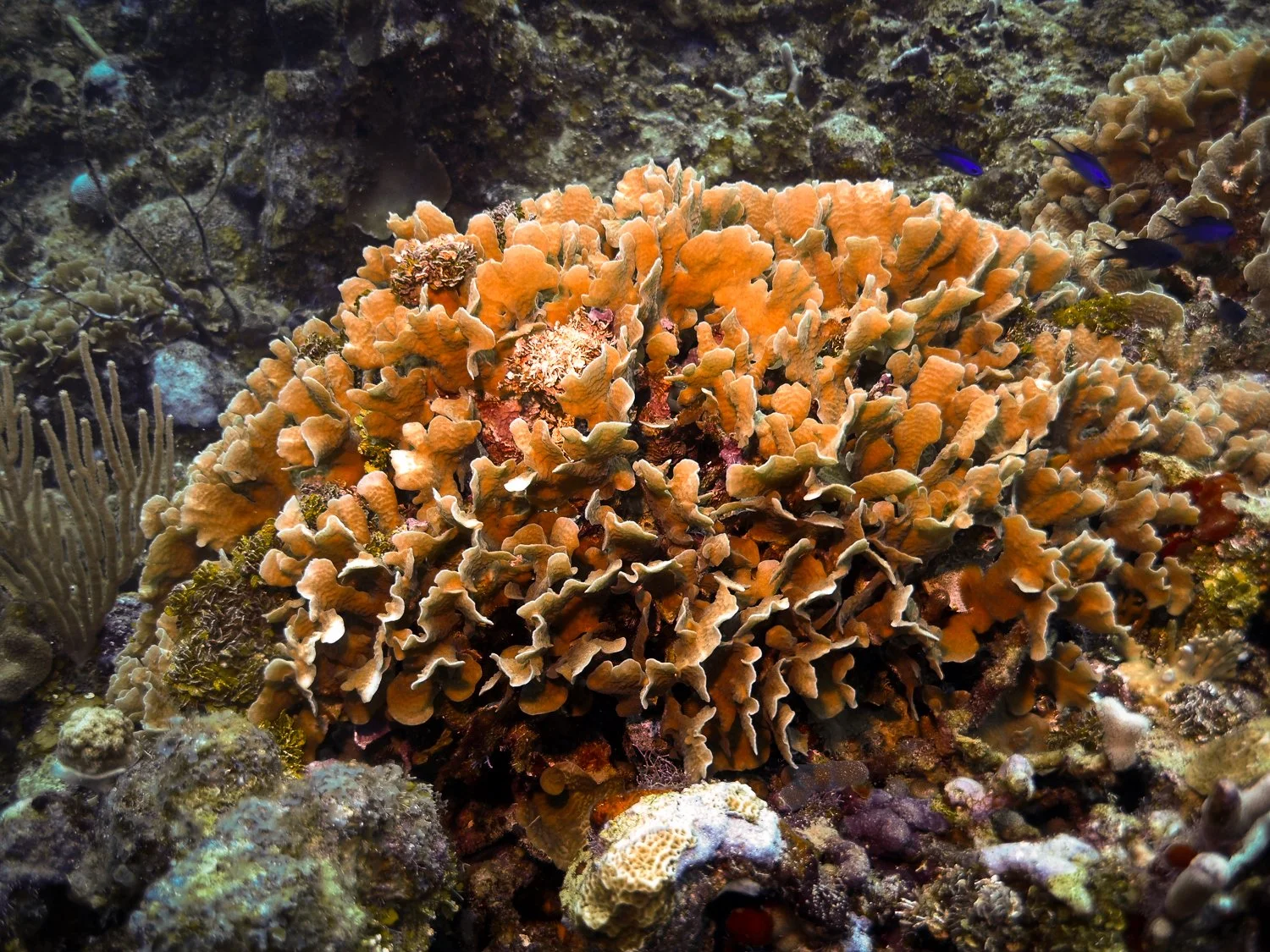
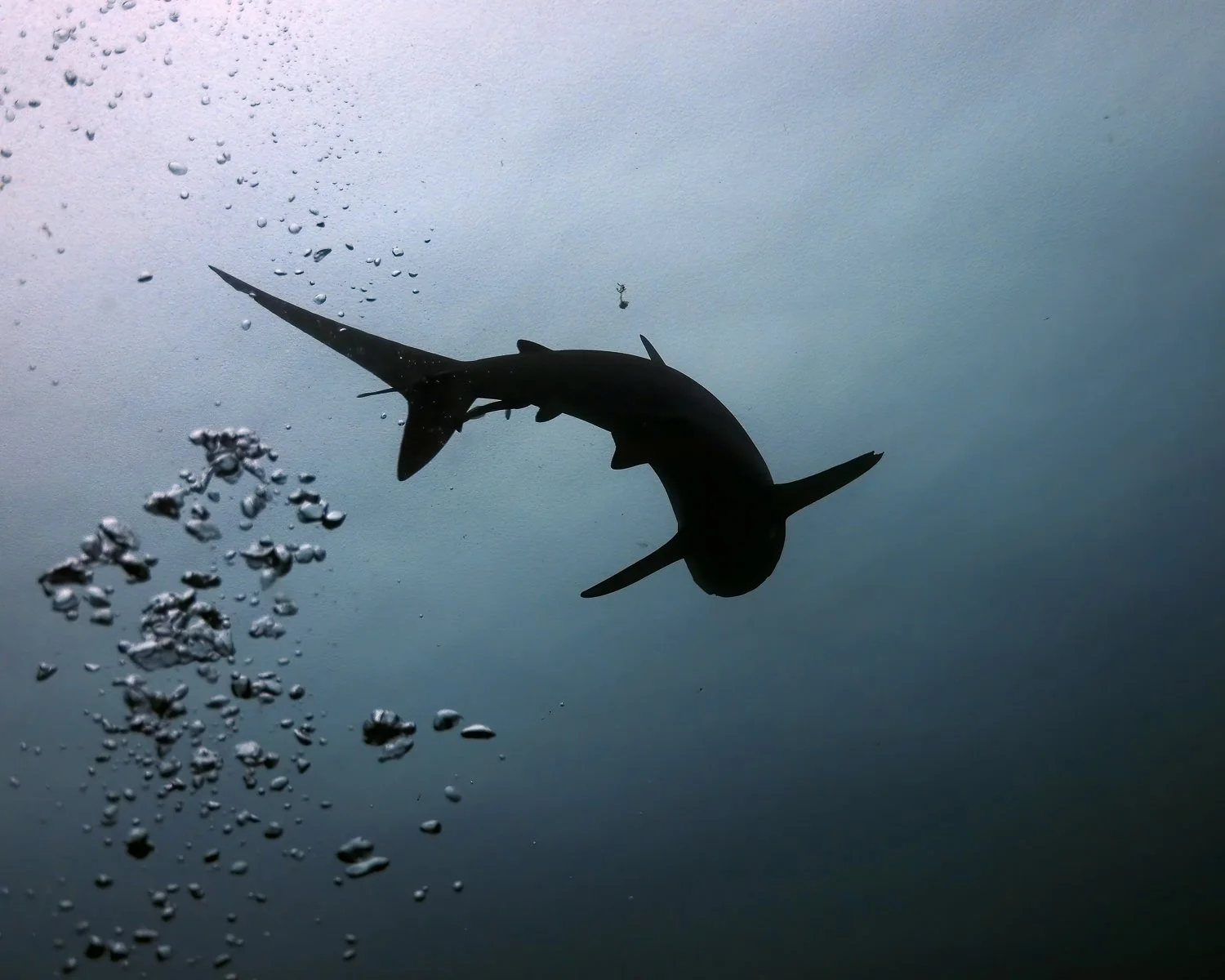
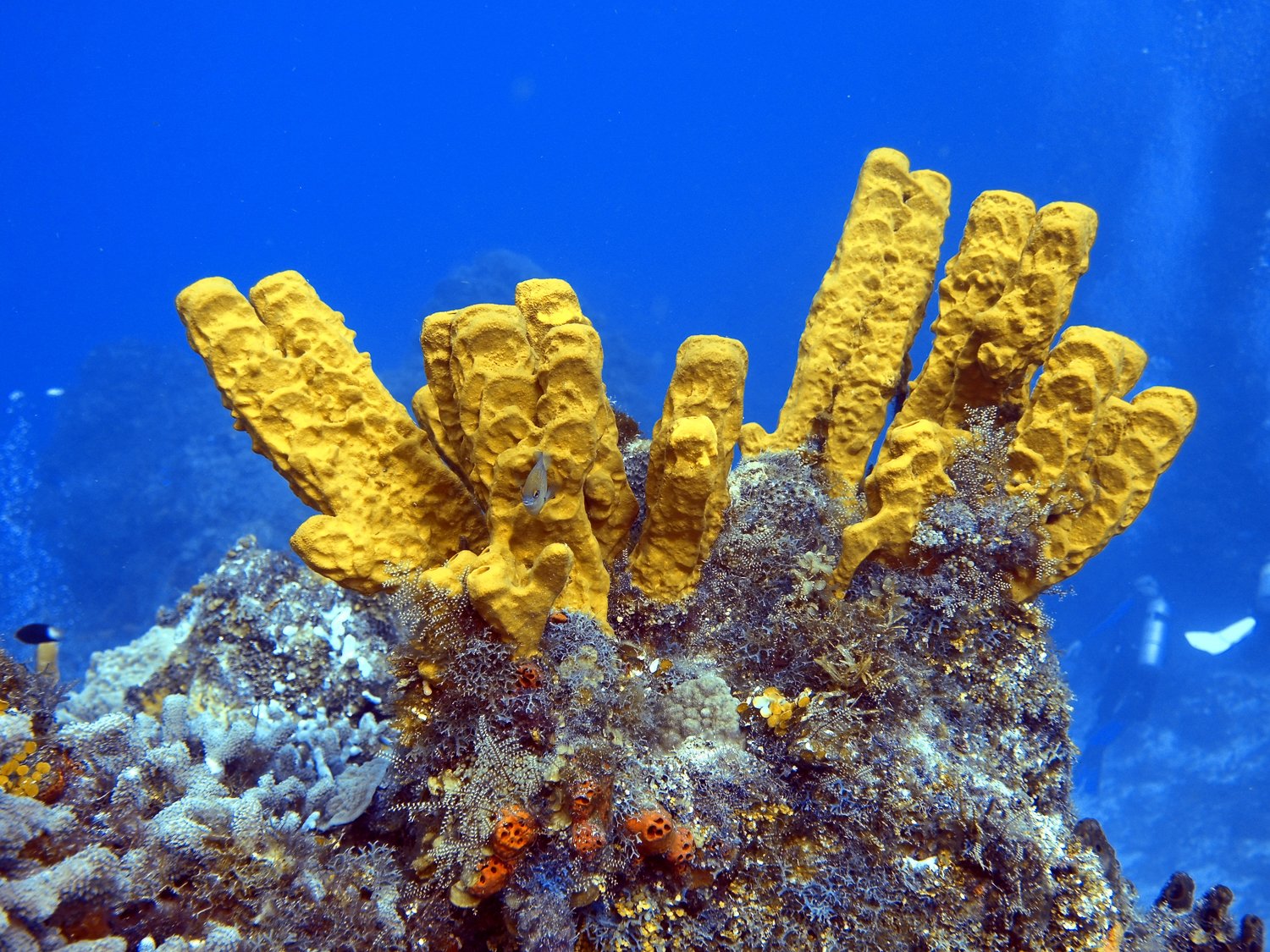
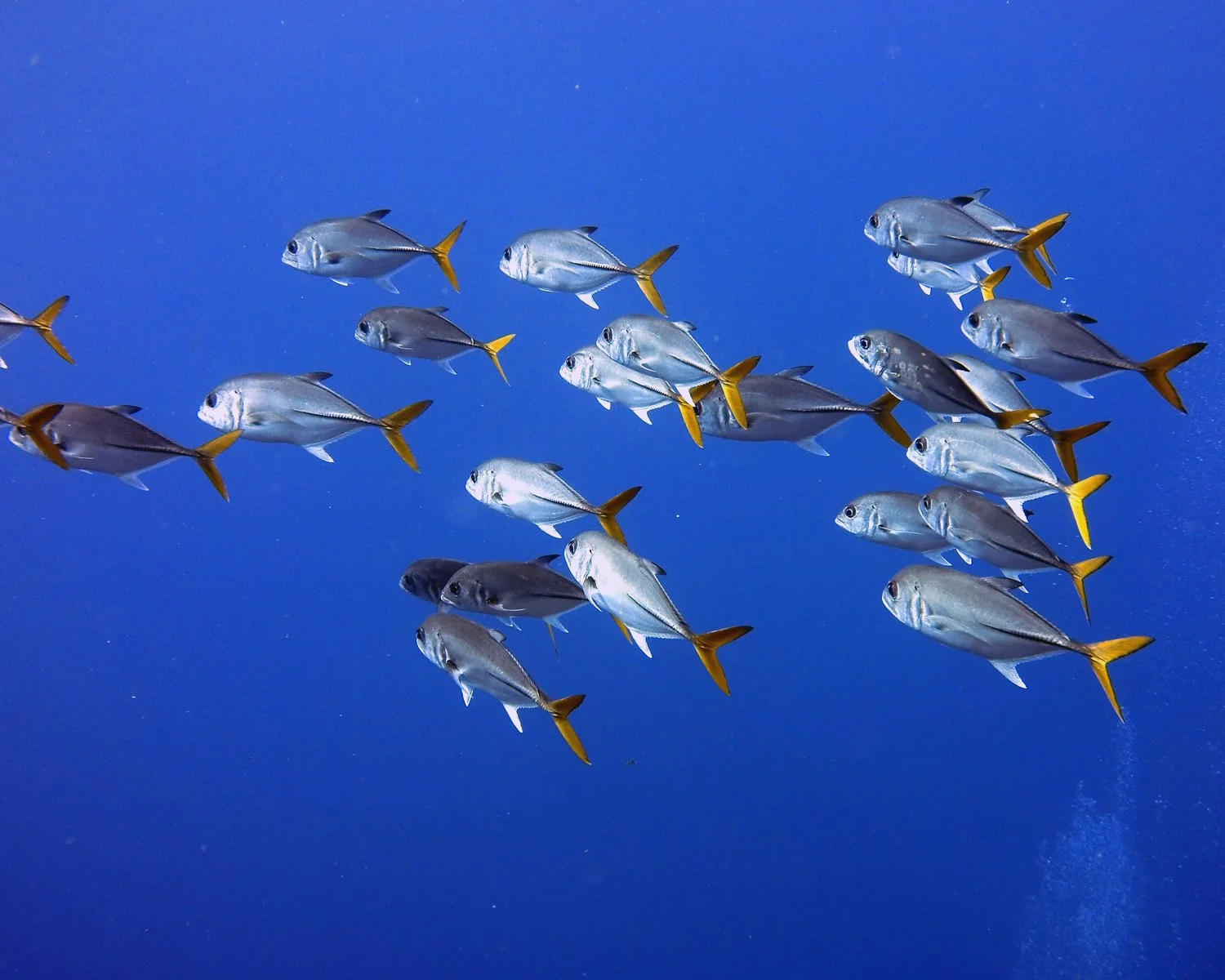
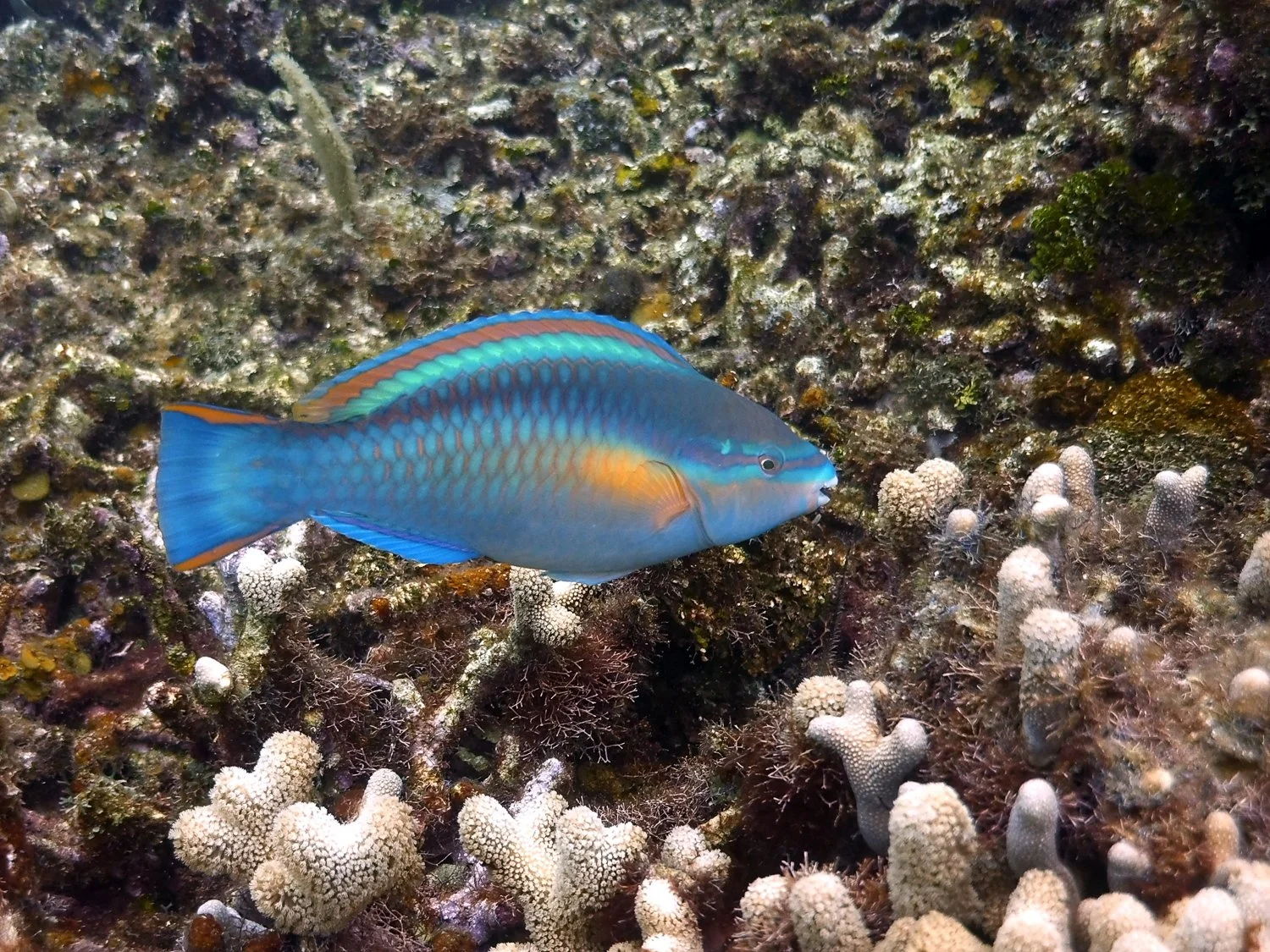
I purchased my first underwater camera setup - a Sealife DC 2000, and, from that point on, my dive trips became treasure hunts. Every descent promised something unexpected: a flash of color on a reef wall, a curious fish hovering just close enough for a portrait, the slow choreography of a sea turtle or eagle ray gliding through filtered sunbeams. I used that first setup for years and took thousands of photos across the many SCUBA adventures that followed. I now use the Olympus TG7, Kracken housing, and Backscatter Atom Flashes. For me, diving was life-changing—not only because of what I saw, but because it brought a level of peace and serenity that I have longed for for years. All goes quiet at 50’.
My goal became simple: continuously improve. Underwater photography has a way of humbling you—light disappears quickly, movement is constant, and you’re always balancing buoyancy, current, and timing. I started to study the art and science behind the images I admired: perspective, composition, shutter speed, aperture, and the way light shapes a story. Each trip became a new classroom, and every missed shot only made me more excited for the next dive.
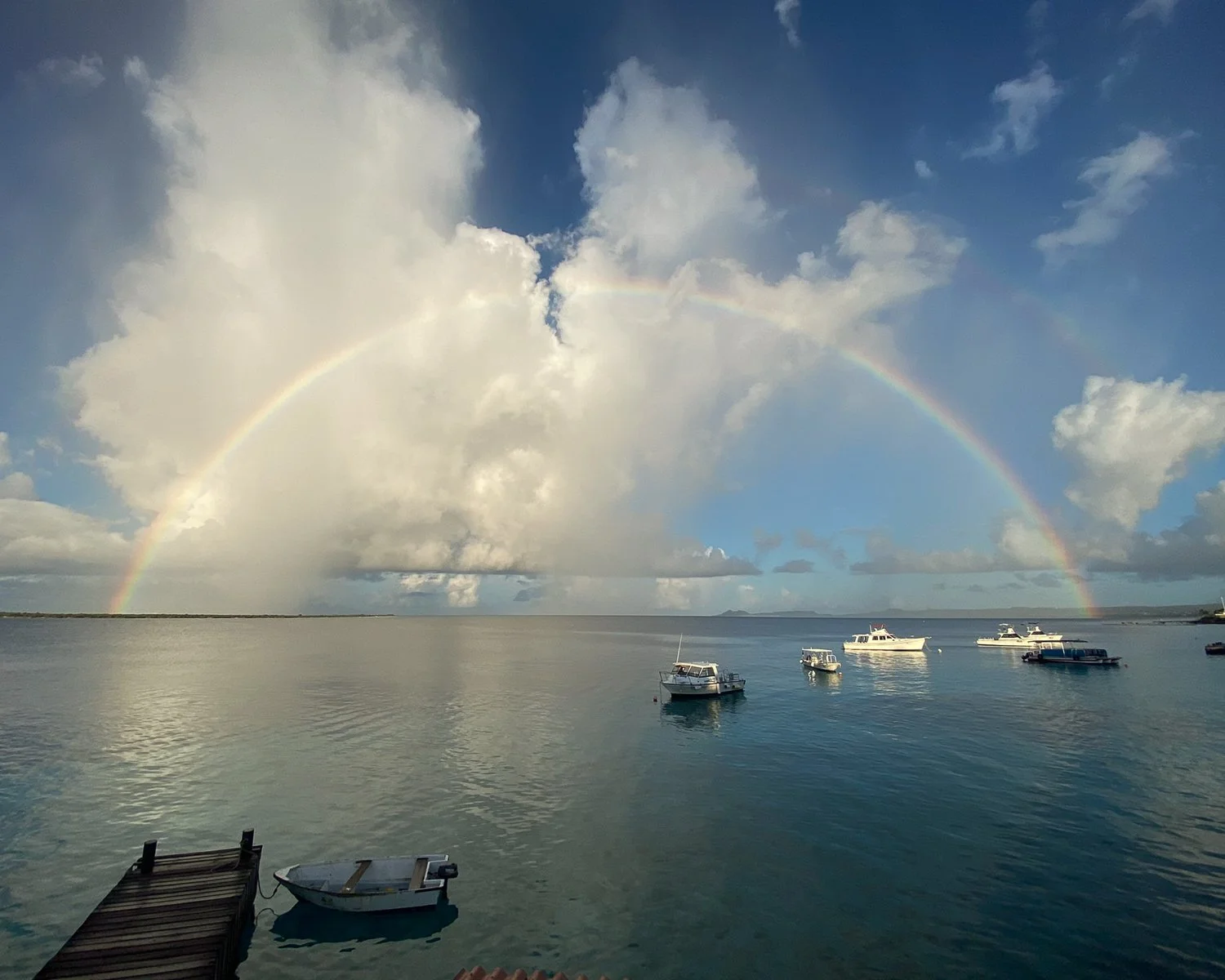
What surprised me most was how photography deepened the joy of travel itself. Planning a trip wasn’t just about getting to a destination—it was about imagining what I might see through a lens: the first morning light at a new shoreline, the texture of rain clouds building over distant hills, or the way a street scene could echo those vintage photos that started it all. Travel gave me variety; photography gave me purpose. Together, they turned every journey into an adventure I could relive and share.
I also realized that if I wanted to get better underwater, I needed to hone my skills when I was out of the water. So I began taking photography above the surface more seriously—chasing better light, learning to expose for bright skies and deep shadows, and practicing the patience it takes to wait for a moment instead of forcing it. On SCUBA trips I met divers who were also wildlife photographers. They were just as thrilled by a breaching whale or a bird in flight as they were by a healthy reef. Their excitement was contagious.
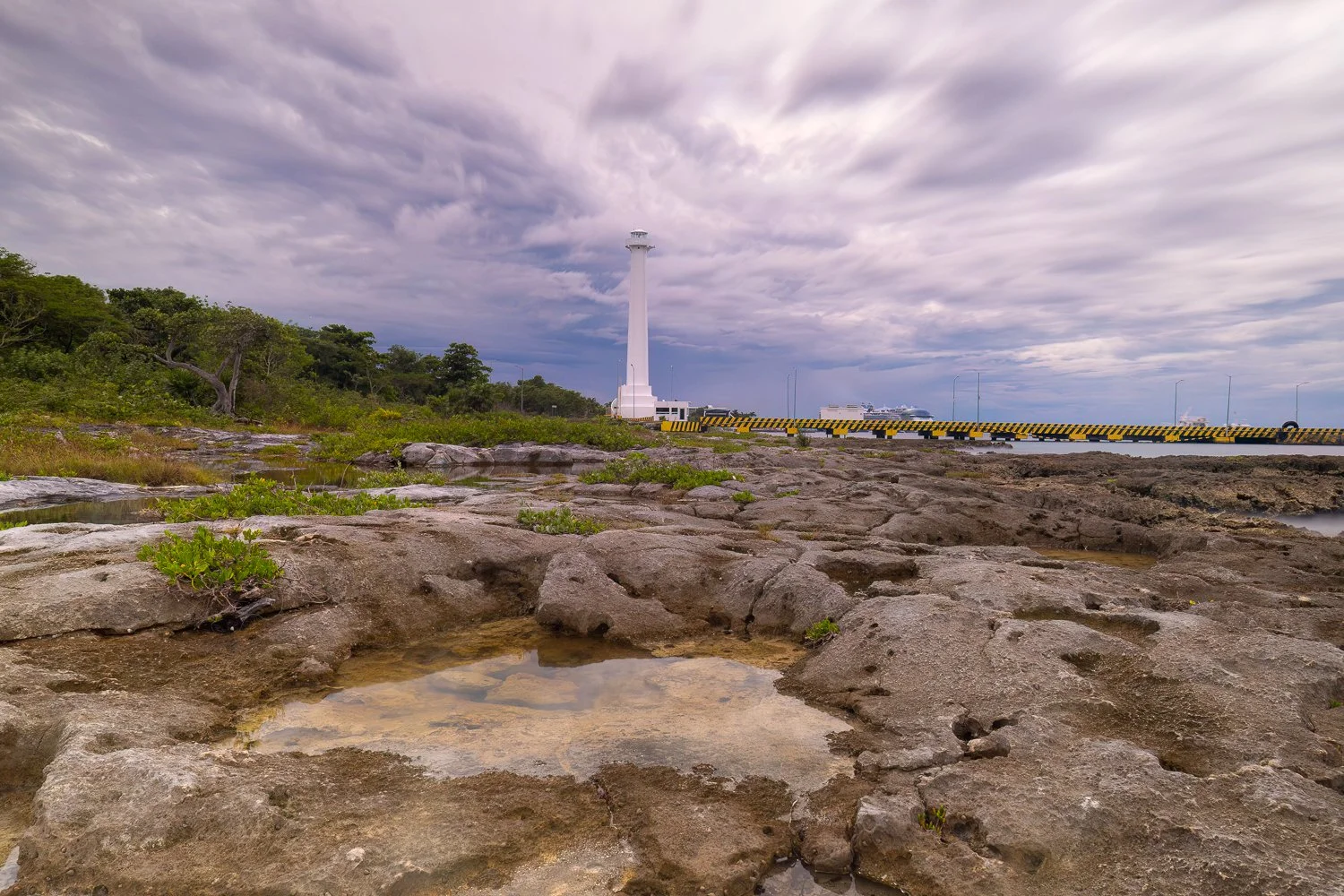
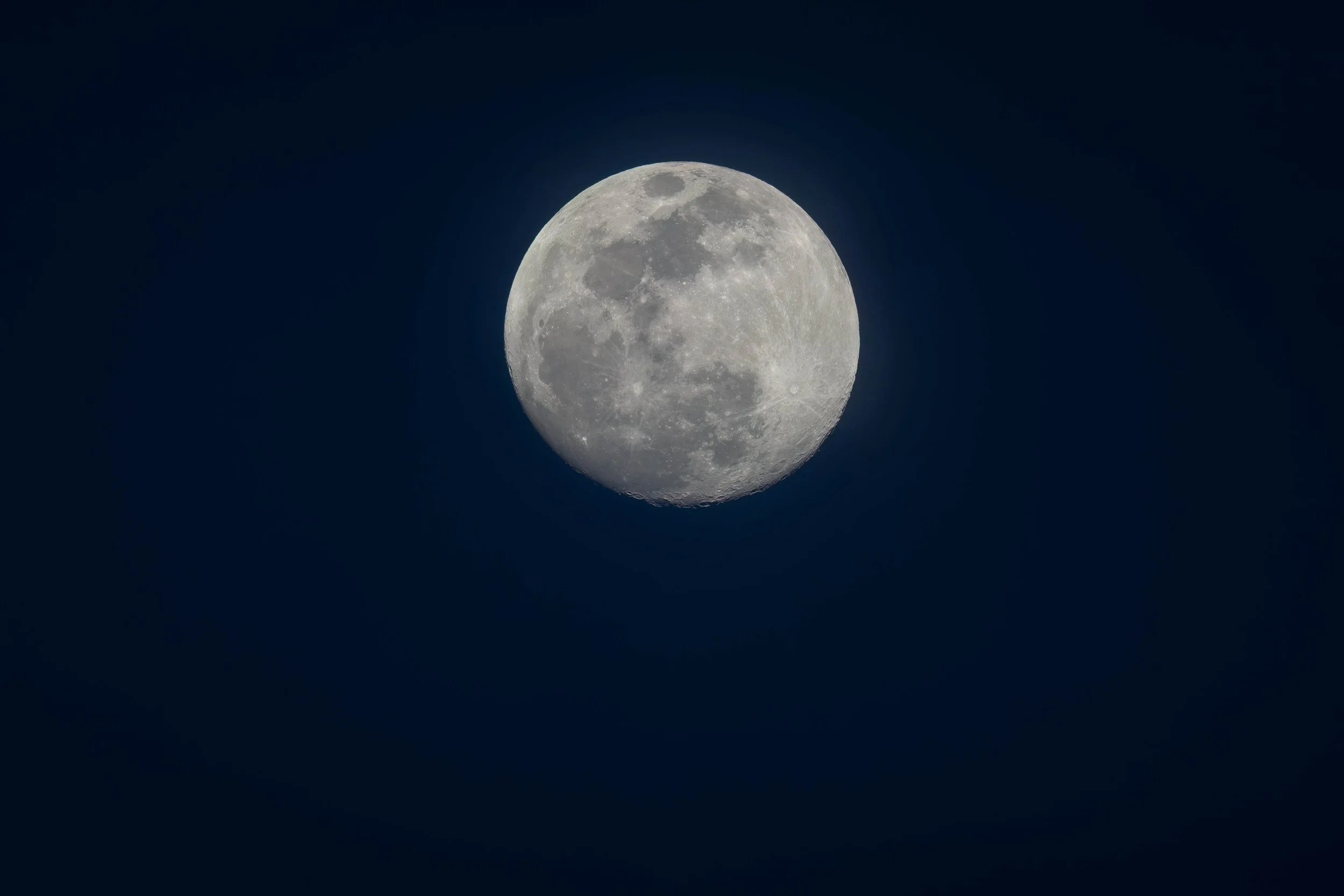
I purchased my first “real” camera setup (Canon R5 and RF 100-500) and dove into learning with the same curiosity that had pulled me underwater in the first place. Landscape photography brought me back to that early awe I felt seeing Ansel Adams’s work—except now the grandeur was right in front of me. I started chasing horizons and weather, hiking to overlooks, and pulling off the road when a scene demanded attention. There’s a special kind of excitement in watching a sky transform minute by minute, knowing that the photograph you want might only exist for a handful of seconds.
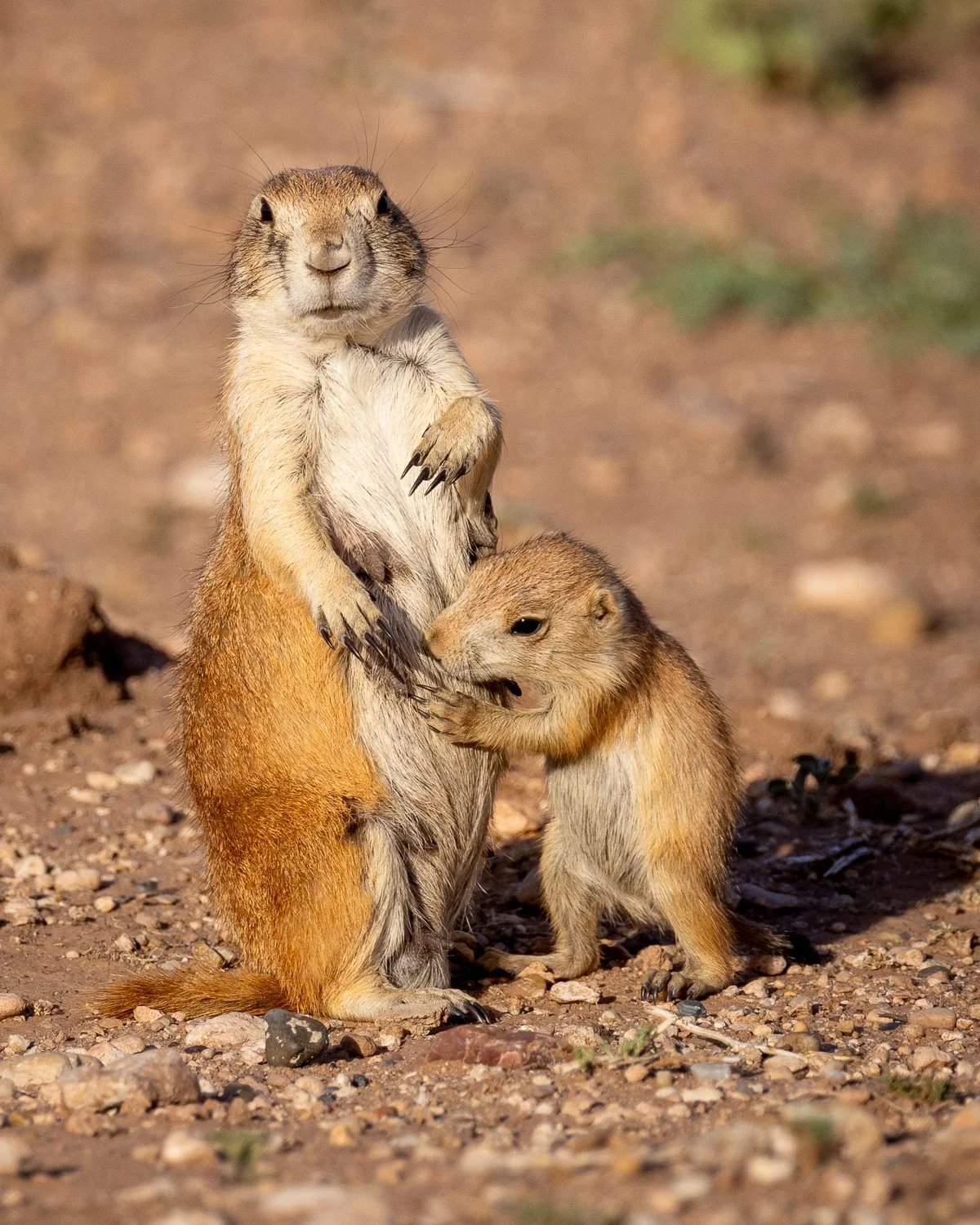
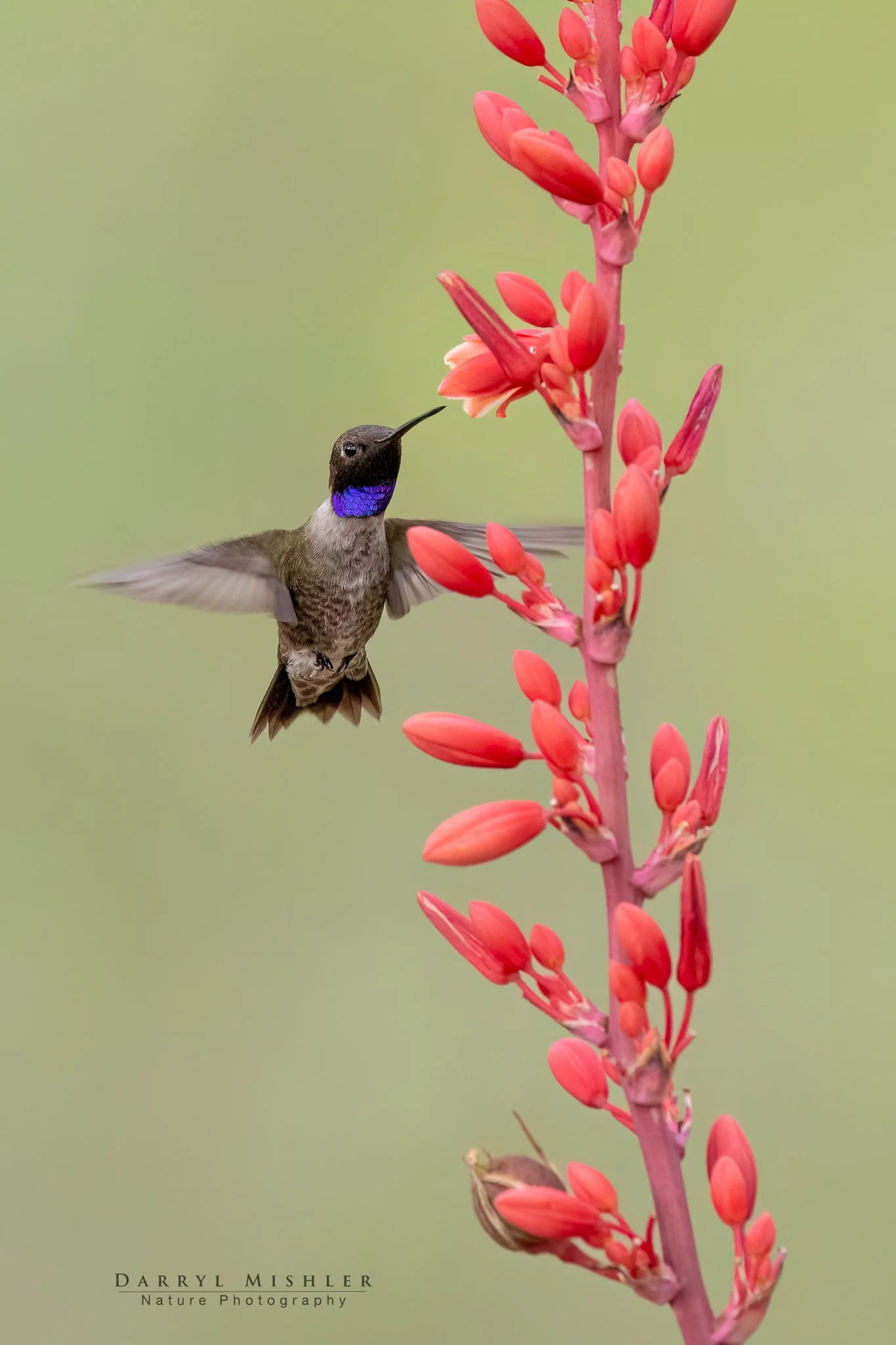
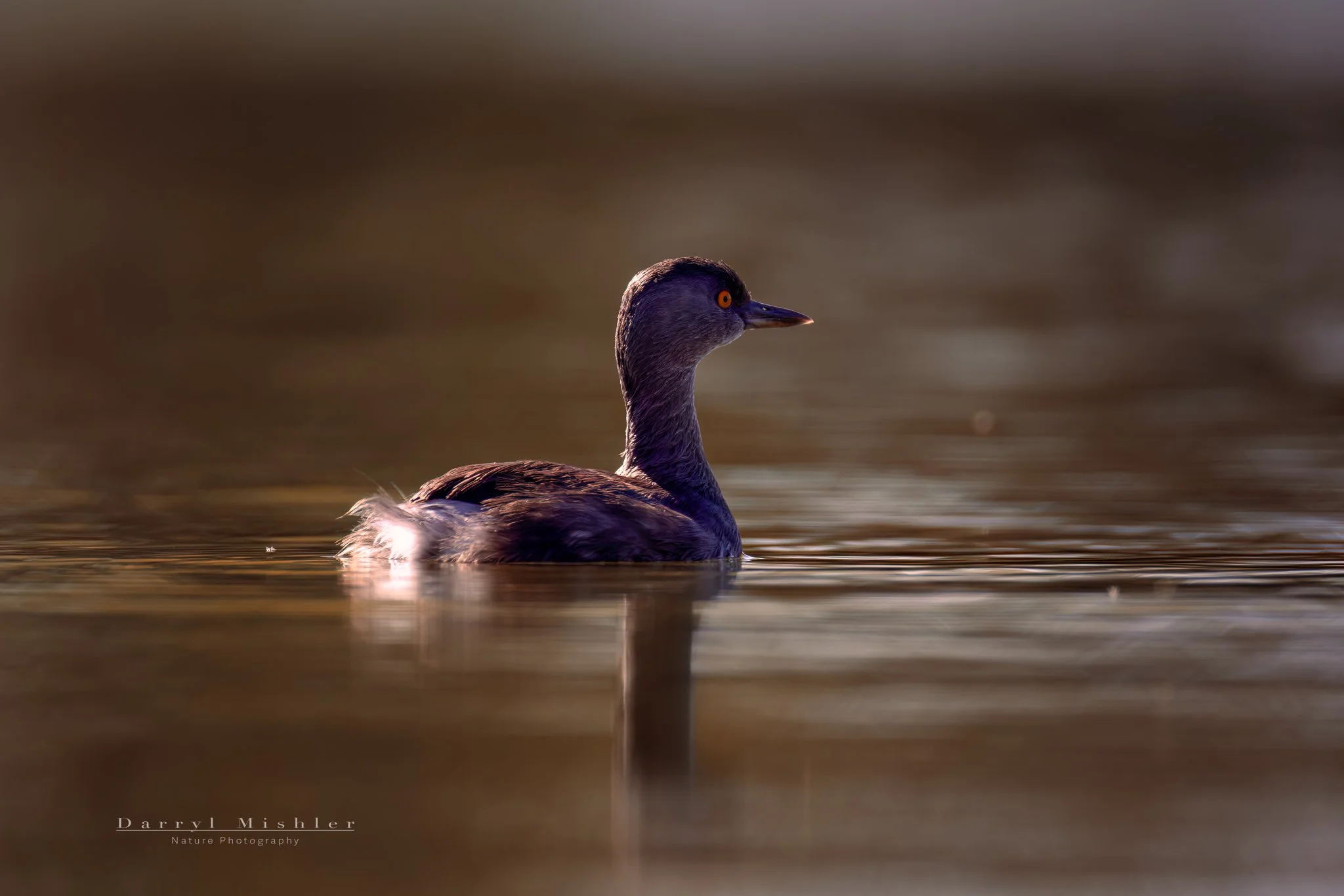
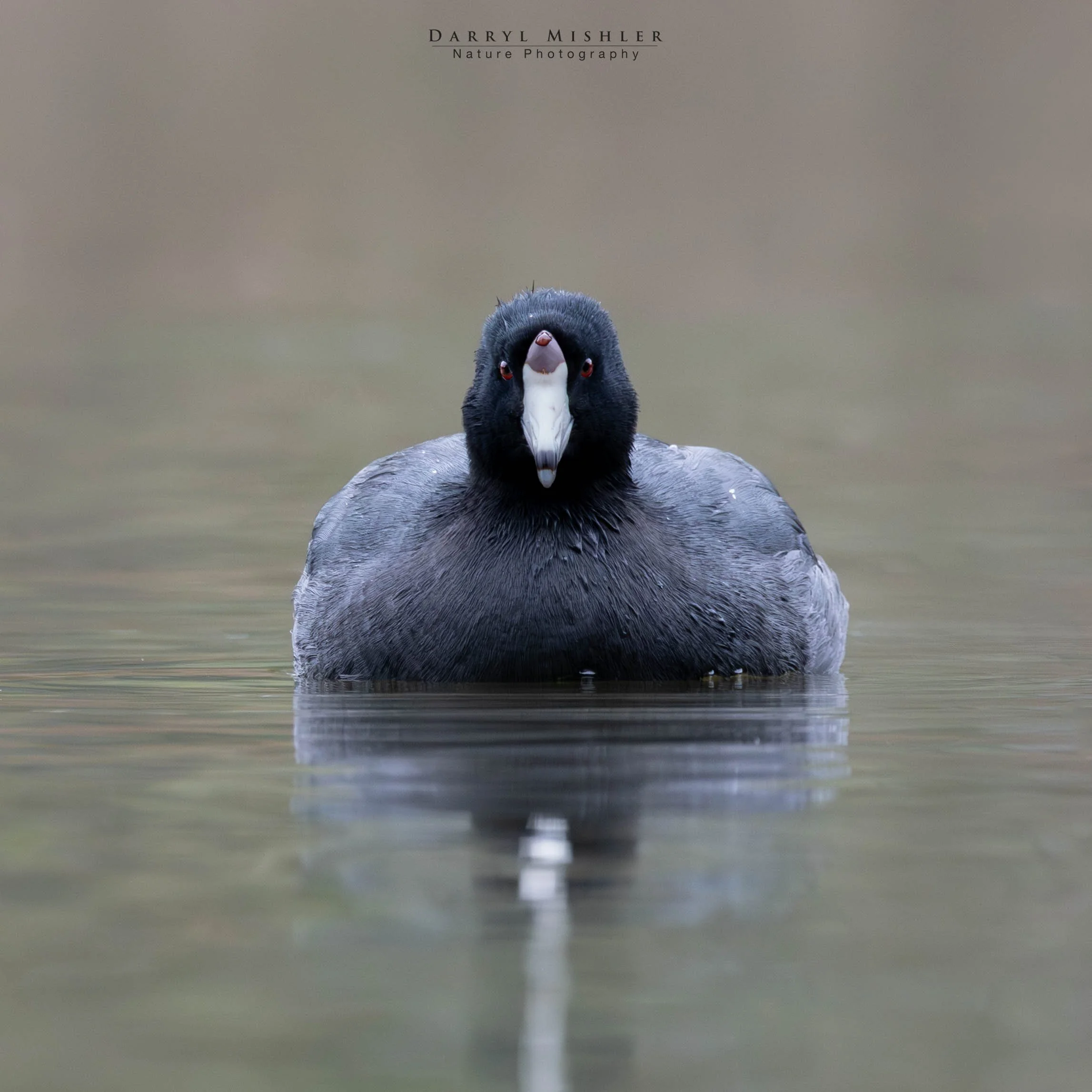
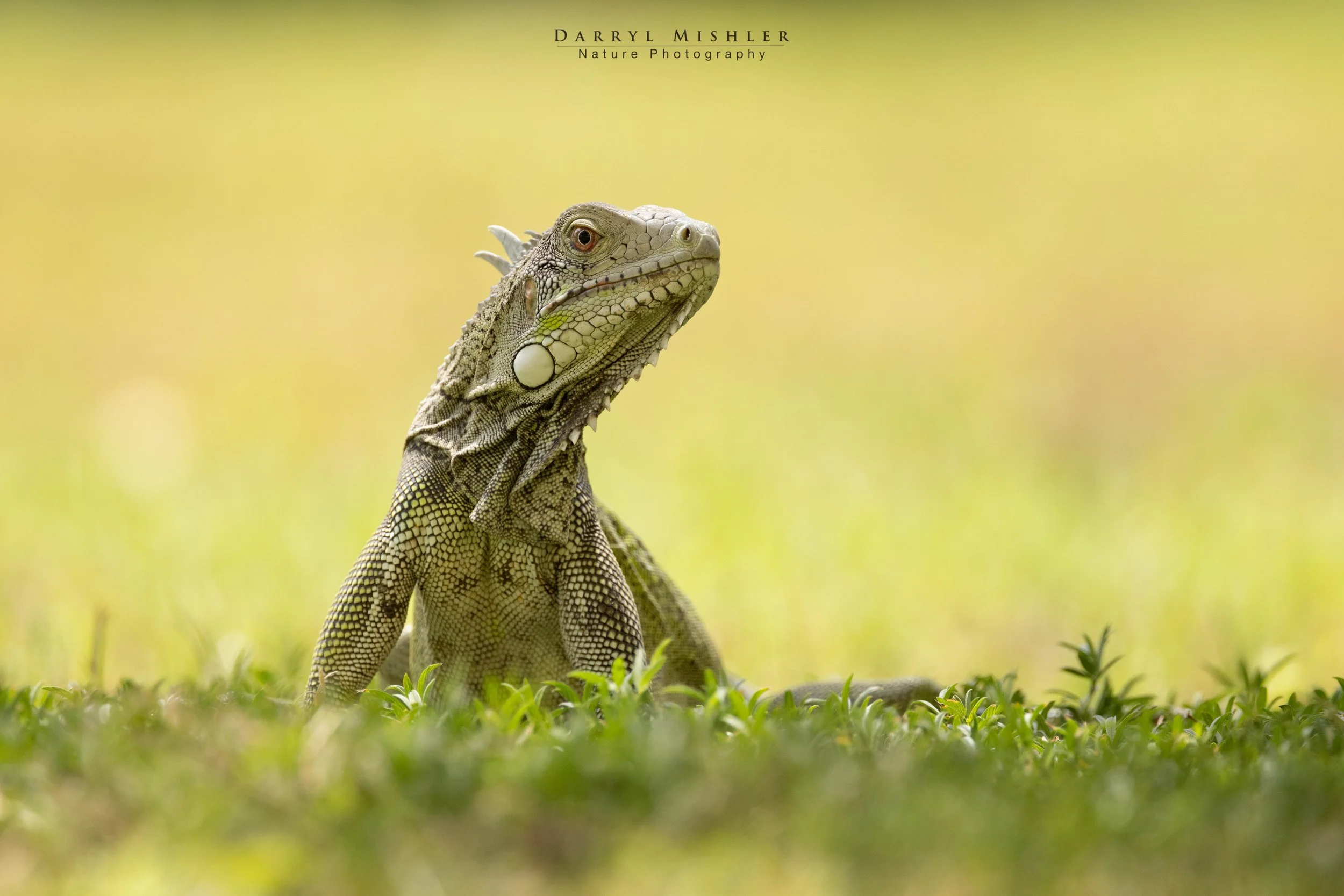
Wildlife photography added another layer to the adventure: the thrill of the search. It taught me to move quietly, to read behavior, and to appreciate the wild places animals call home. Whether it’s the heartbeat pause before a deer steps into a clearing, the sudden lift of wings overhead, or the unforgettable eye contact of an animal aware of your presence, those moments feel like gifts—brief, unrepeatable, and completely alive. And in many ways, it mirrors my favorite parts of SCUBA photography: you enter a world that isn’t yours, you observe with respect, and if you’re patient, you’re allowed to witness something extraordinary.
Today, my camera goes wherever my curiosity leads—below the waves for SCUBA photography, across open country for landscapes, and into the edges of quiet for wildlife. Each genre feeds the others: diving sharpens my timing, landscapes train my eye for light and scale, and wildlife reminds me that the best images often come from slowing down and staying present. Most of all, photography keeps the world feeling new. Every trip holds the promise of discovery, and every frame is a small way of saying, “I was there—and it was incredible.”
My hope is that you enjoy and appreciate my images as much as I enjoyed capturing them.