WIldlife Photography
Wildlife photography requires moving through the world a little slower, a little quieter, learning to wait for the right opportunities to capture the beauty of life as it unfolds. I’m surrounded by God’s creation in the smallest details and the grandest scenes: a bison on the plains, a bird lifting from the reeds, a doe pausing at the tree line, the sudden flash of wings, the steady gaze of an animal that knows nothing of hurry. In the waiting, my attention sharpens and my heart settles; I’m reminded that wonder isn’t something I manufacture, it’s something I receive. And when the moment finally comes, I’m grateful—not just for the image I get to hold onto, but for the gift of being present in it.
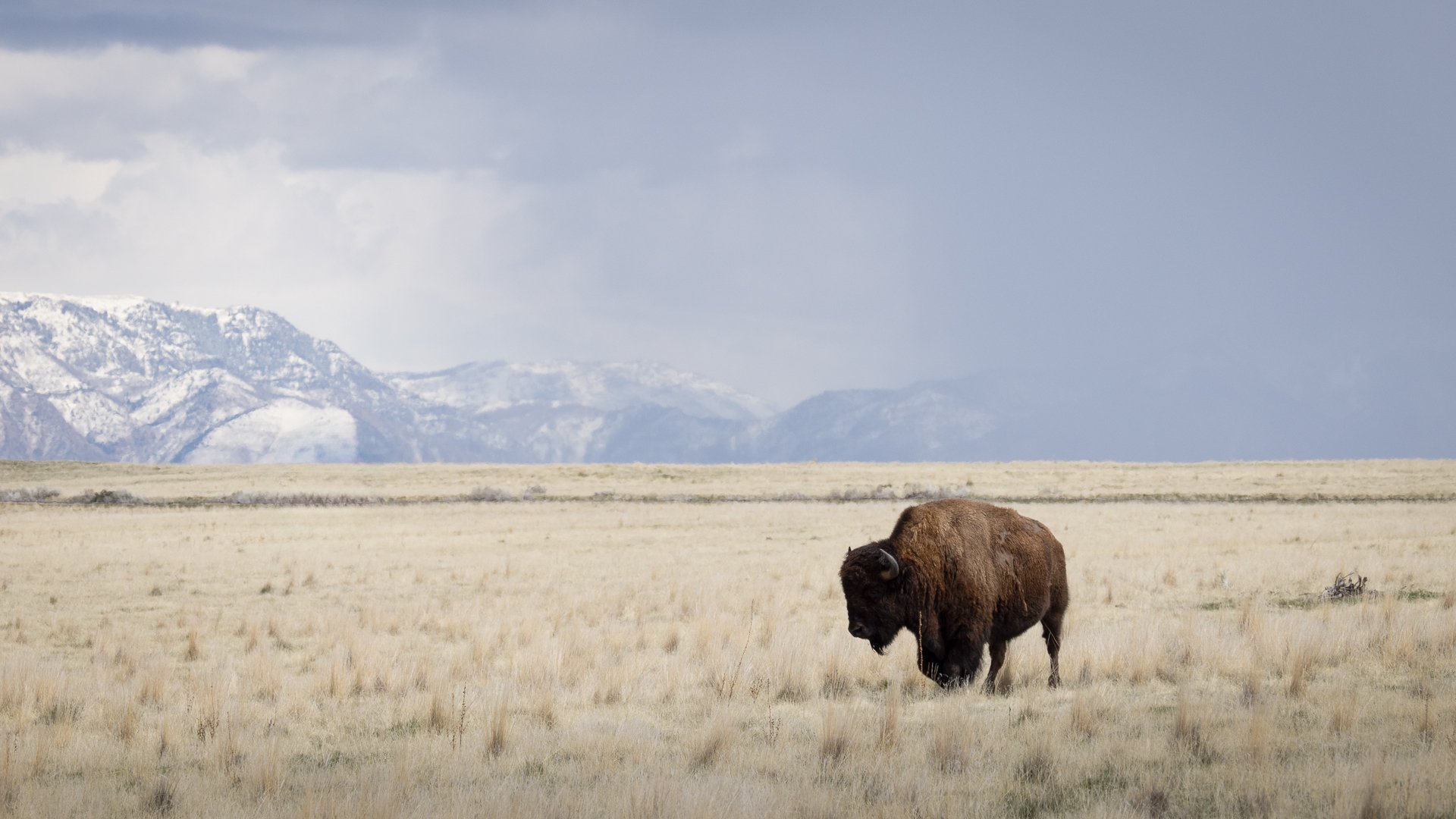
Antelope Island State Park - Great Salt Lake, Utah
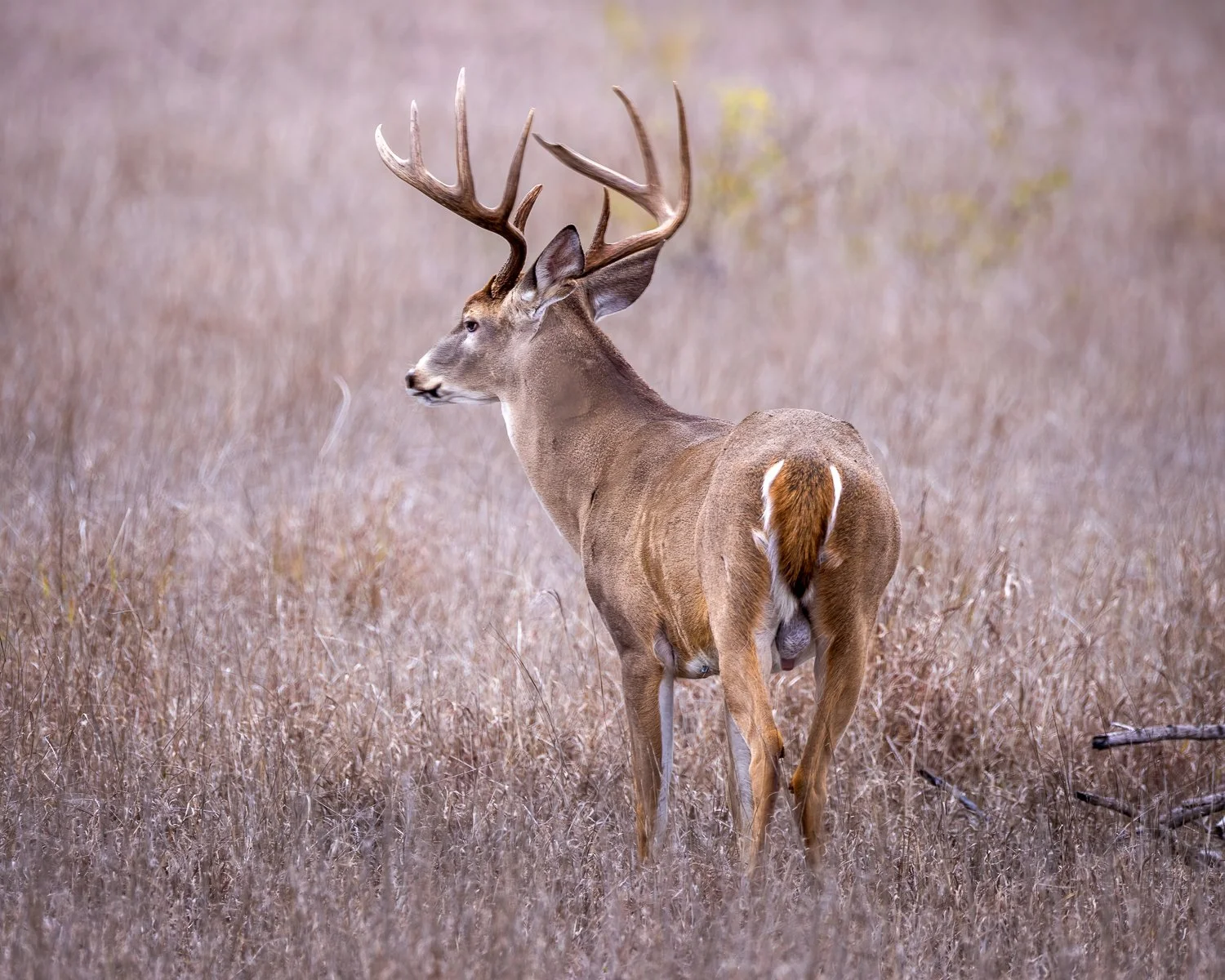
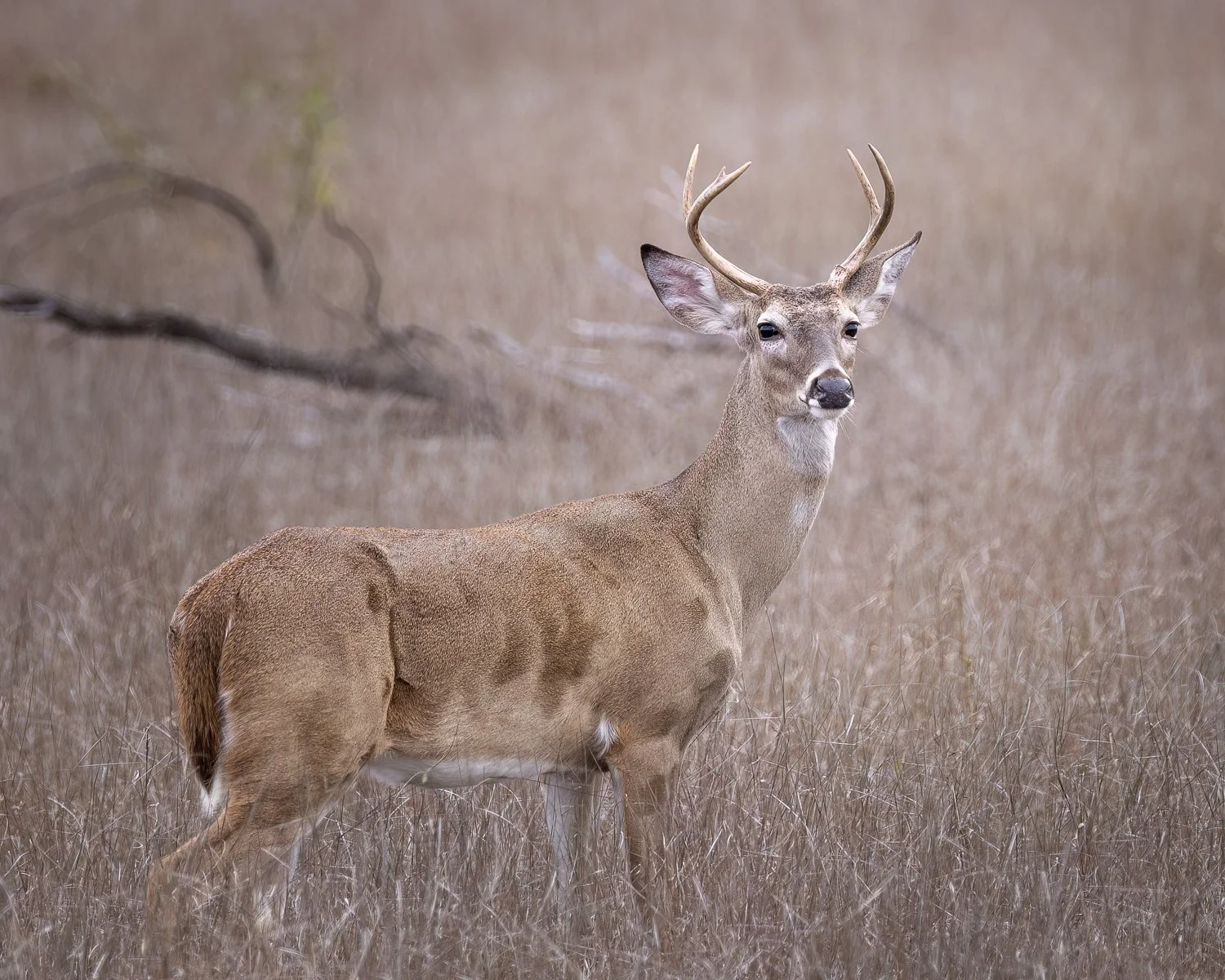
The white-tailed deer is a striking symbol of the Lone Star State's diverse wilderness, celebrated for its elegant poise and sharp agility. Its coat shifts beautifully from a reddish-brown in the summer to a grayish-brown in the winter, accented by a stark white underside on its tail that flashes like a beacon when alarmed. This adaptable mammal roams across an expansive range, thriving in the brush country of South Texas, the rugged Hill Country, and the dense forests of East Texas. Watching a buck with a crown of polished antlers move gracefully through the morning mist highlights the quiet, natural beauty of the Texas landscape.
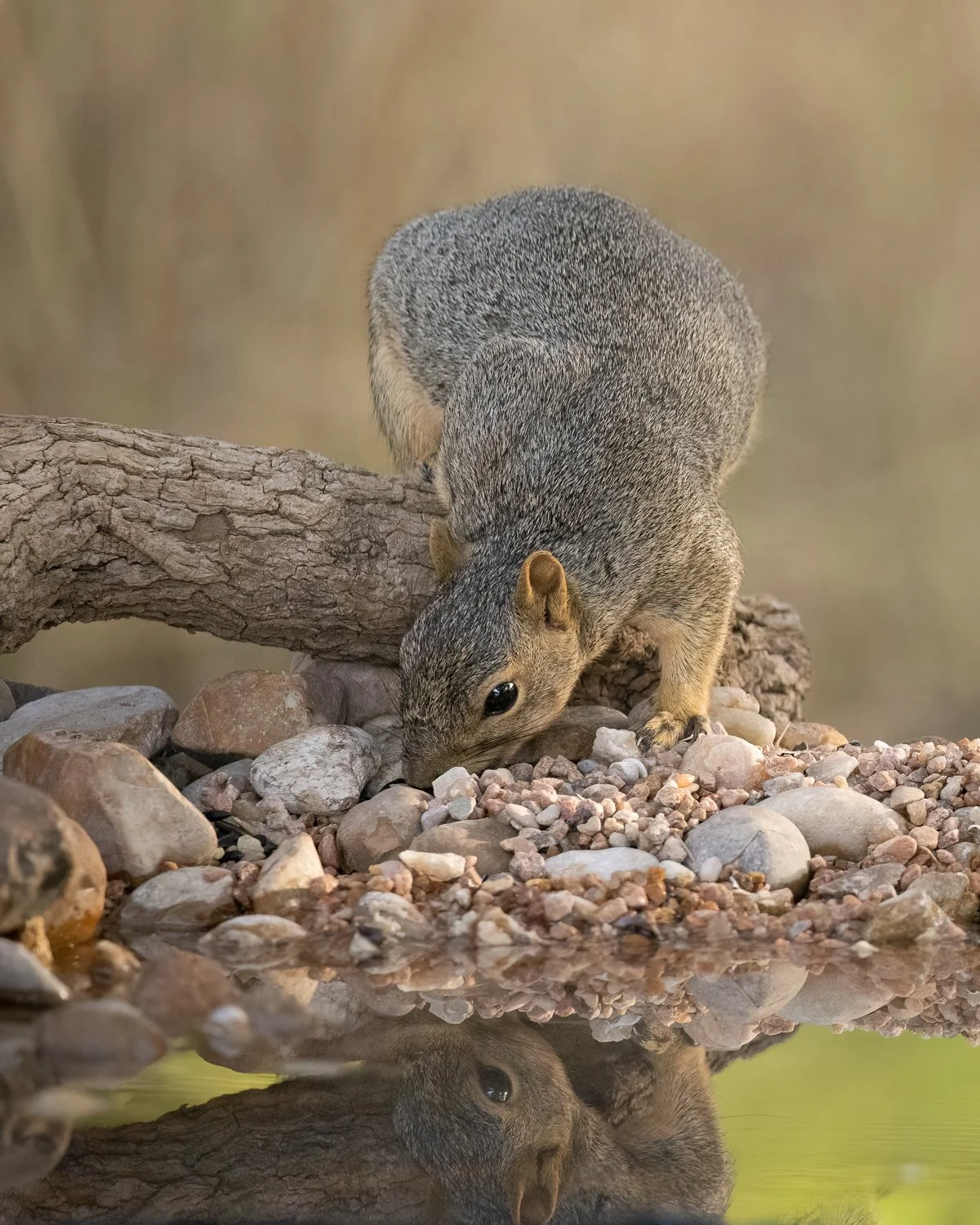
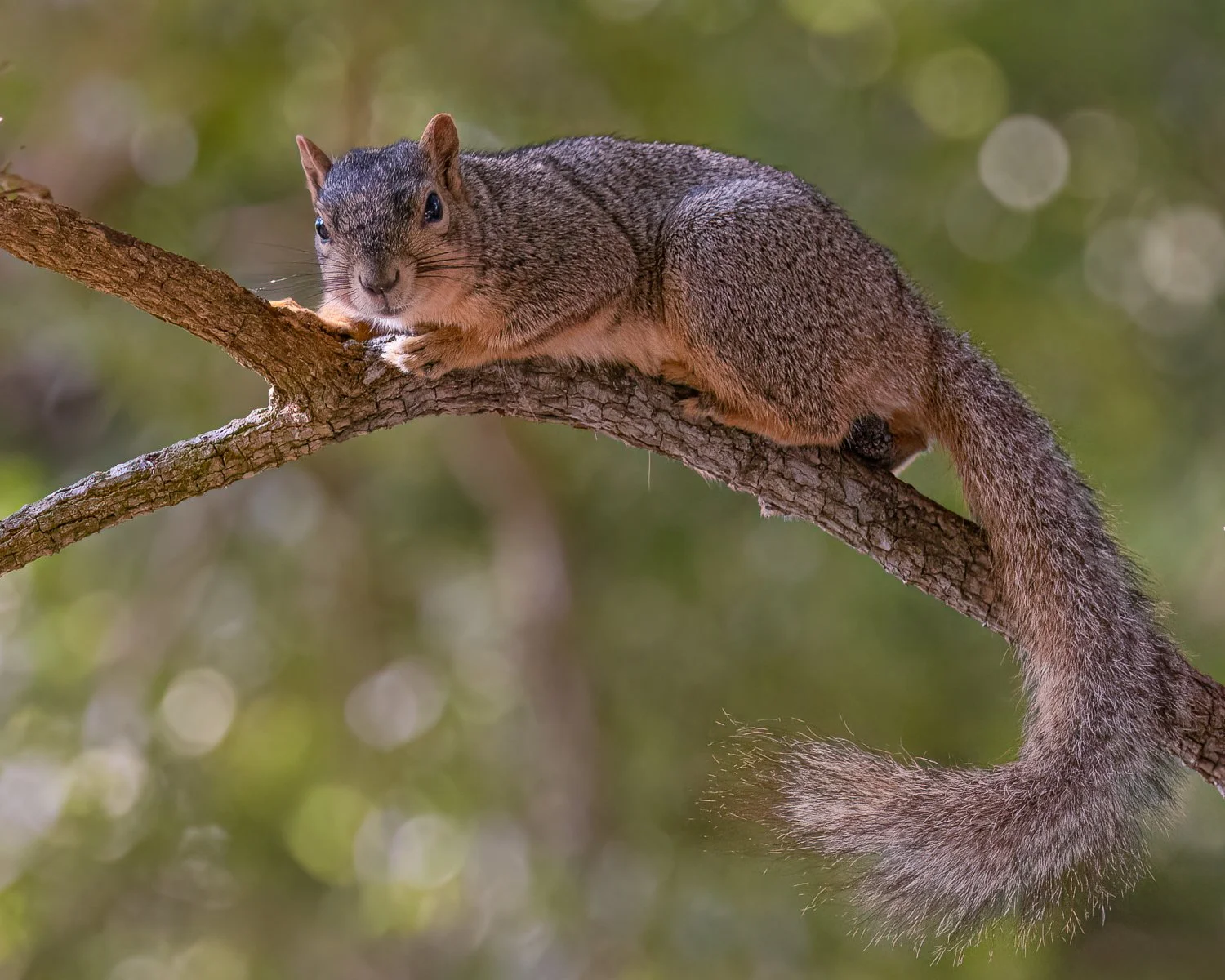
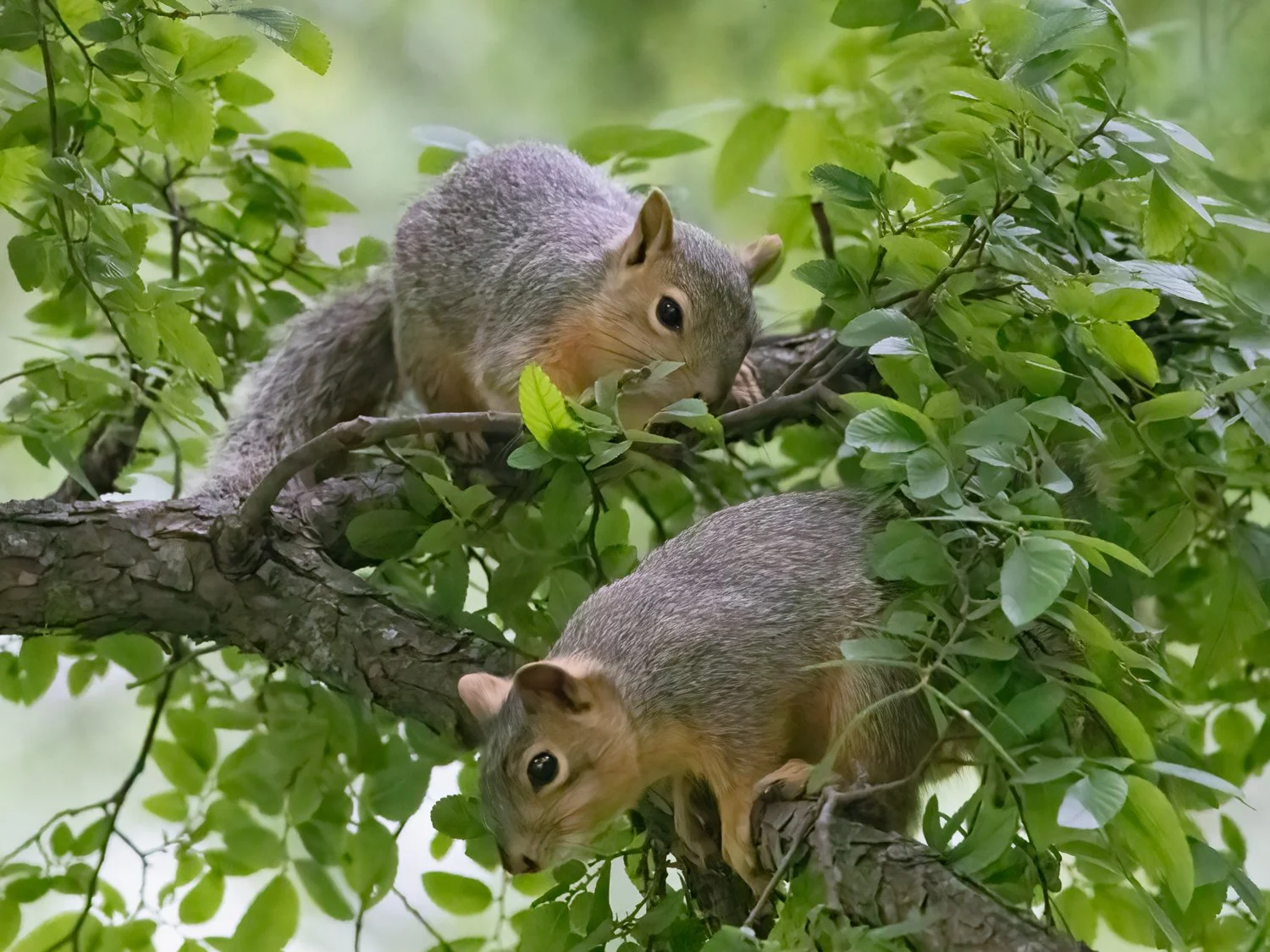
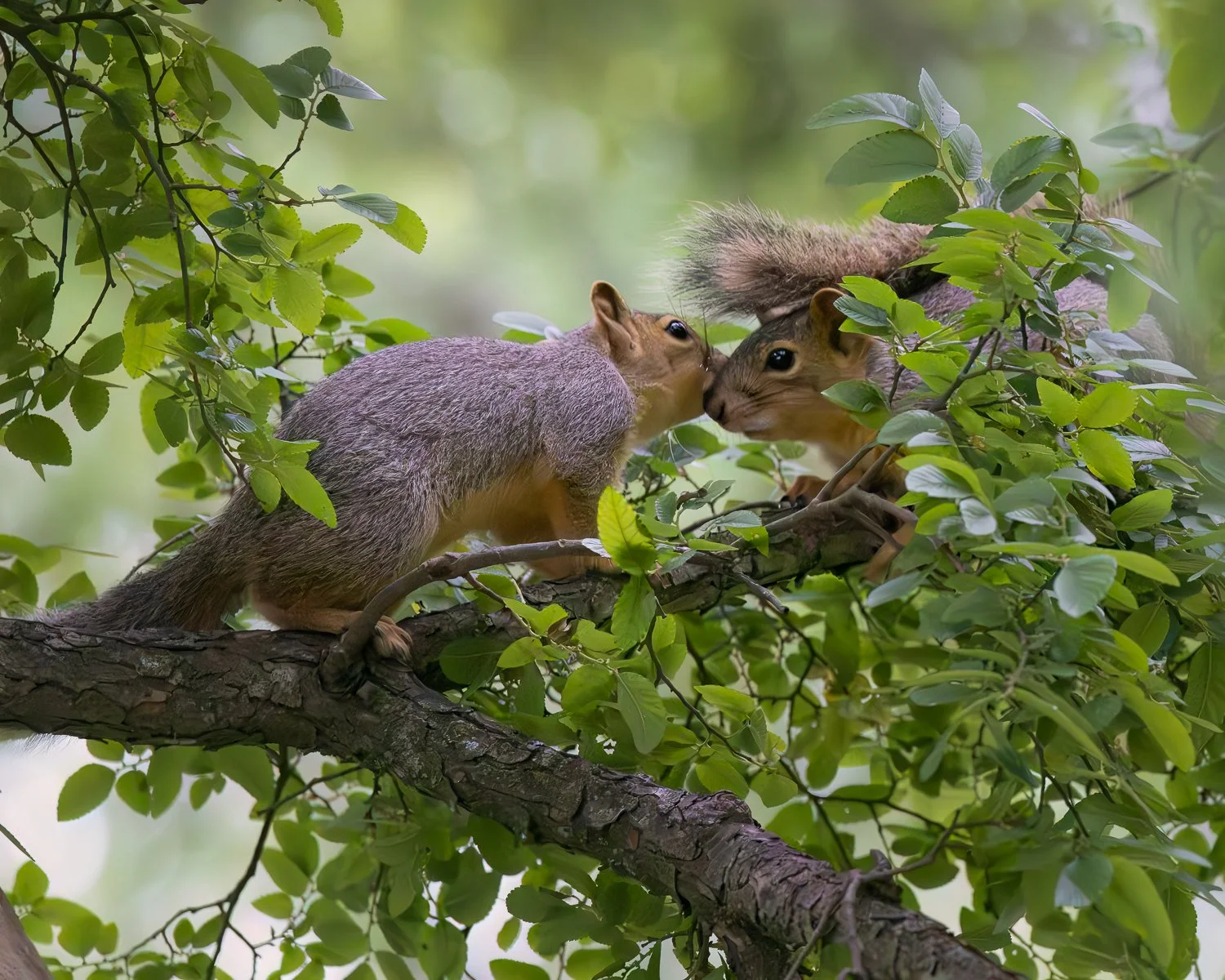
The fox squirrel is the largest species of tree squirrel native to North America, easily identified by its impressive size, strong hind legs, and beautiful, gripping orange-brown fur. These highly adaptable animals thrive in open woodlots and urban parks across the eastern and central United States, where they spend much of their time foraging on the ground for acorns, hickory nuts, and seeds. By burying and storing excess nuts in scattered locations throughout the forest floor, they play a vital role in local ecosystems by inadvertently planting new generations of trees.
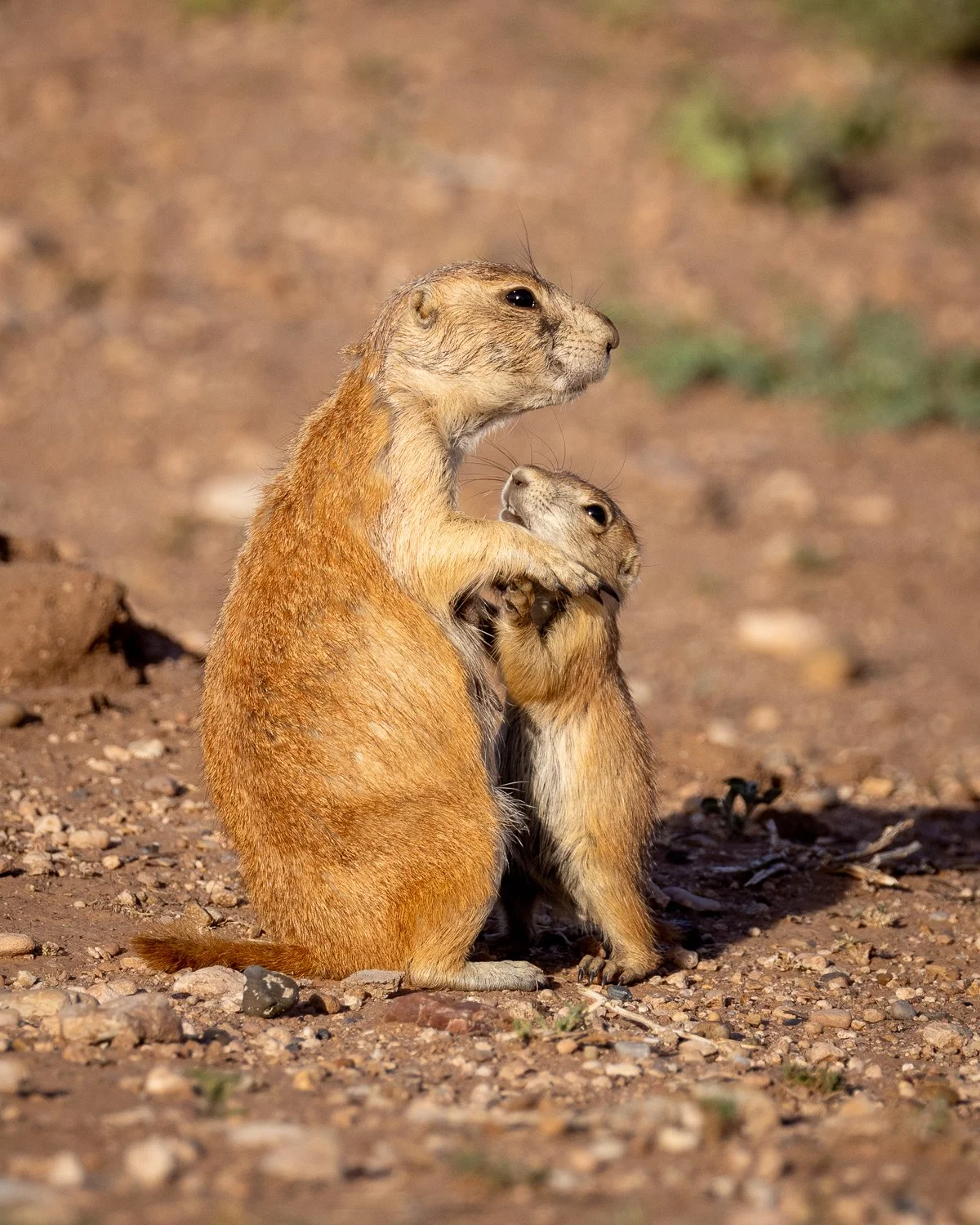
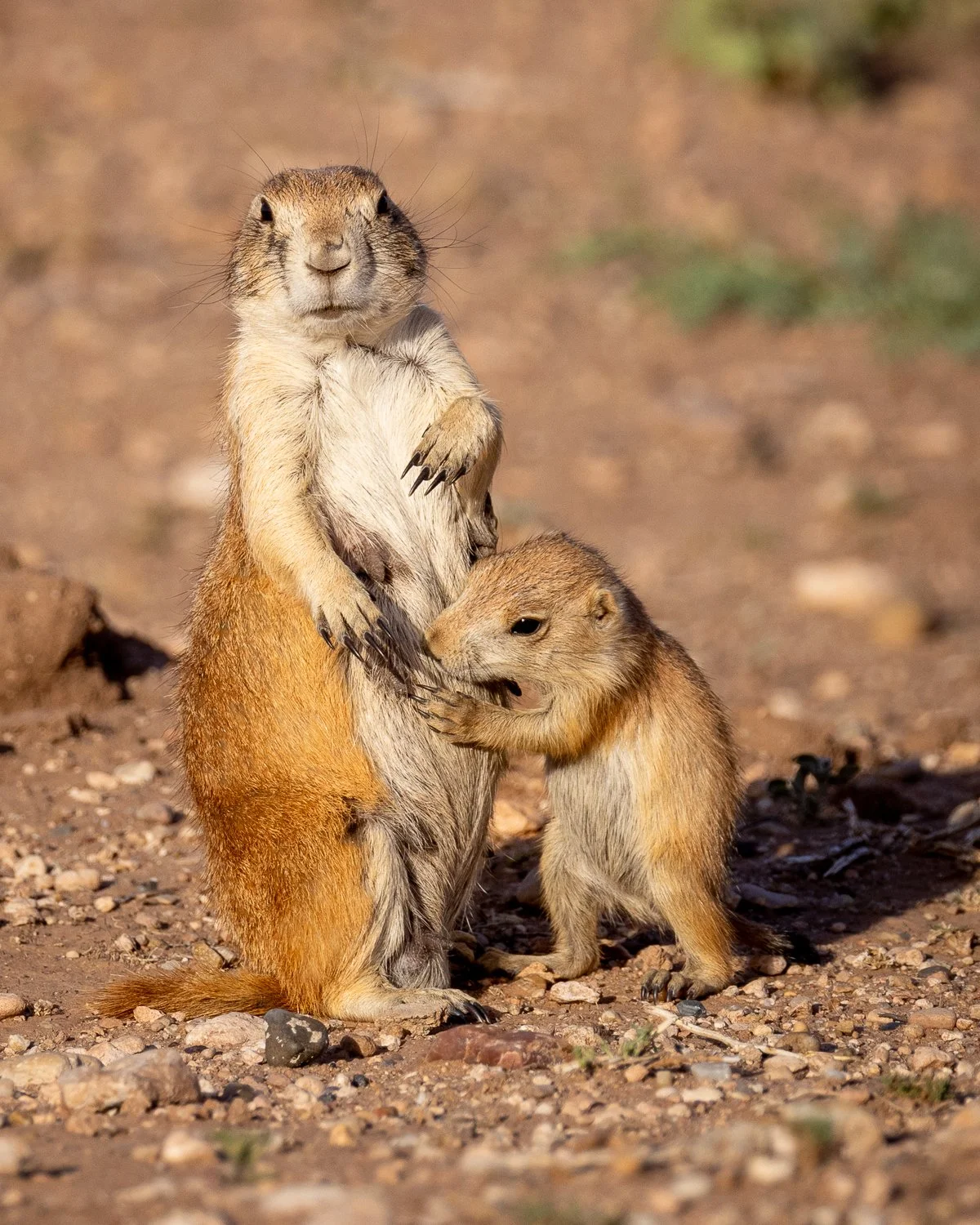
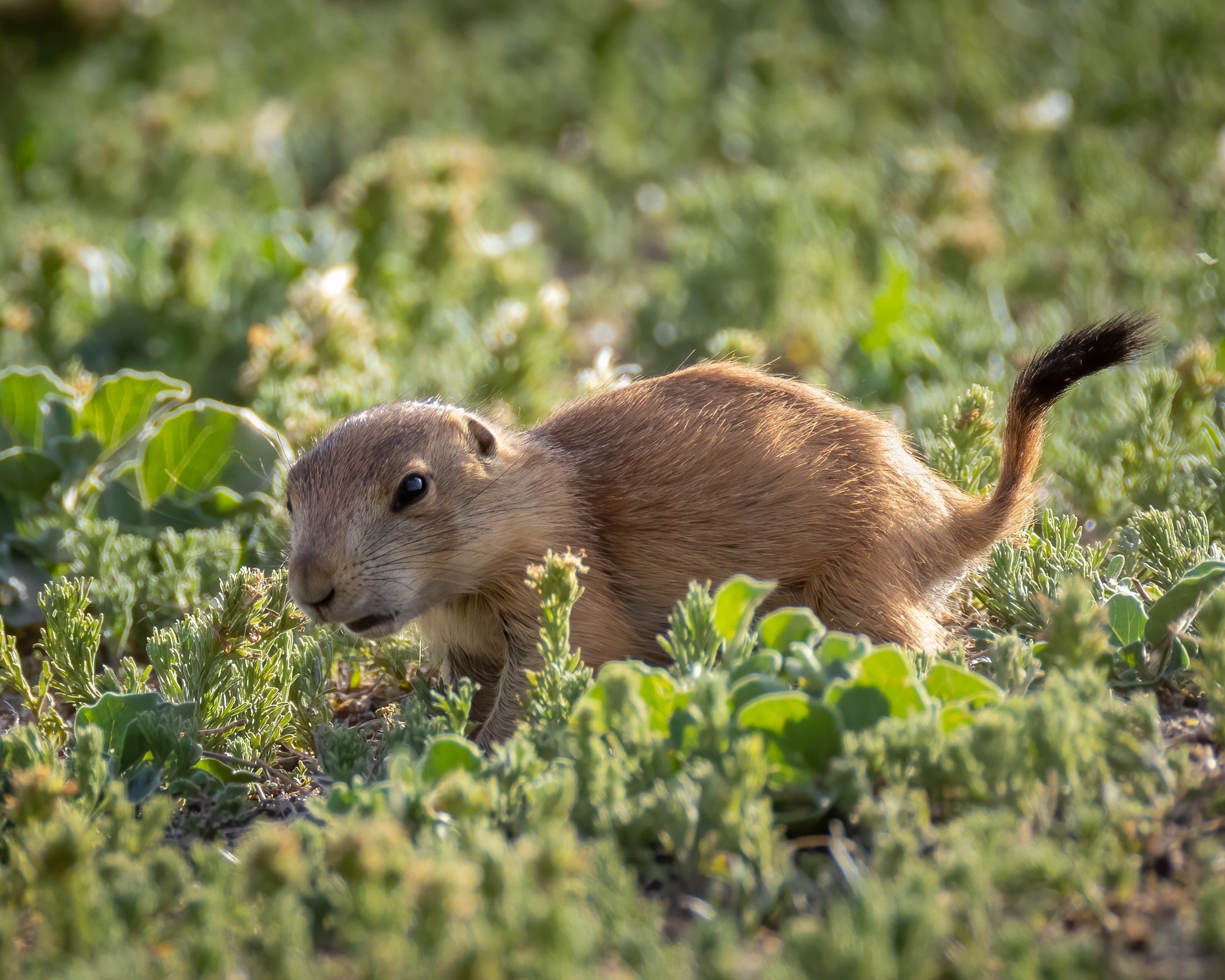
Prairie dog mothers invest heavily in their pups, nurturing them in underground chambers for the first six weeks of life. During this crucial period, mothers frequently groom and nurse their young. After pups emerge, they bond with their mothers through visual and oral greetings known as "kissing".
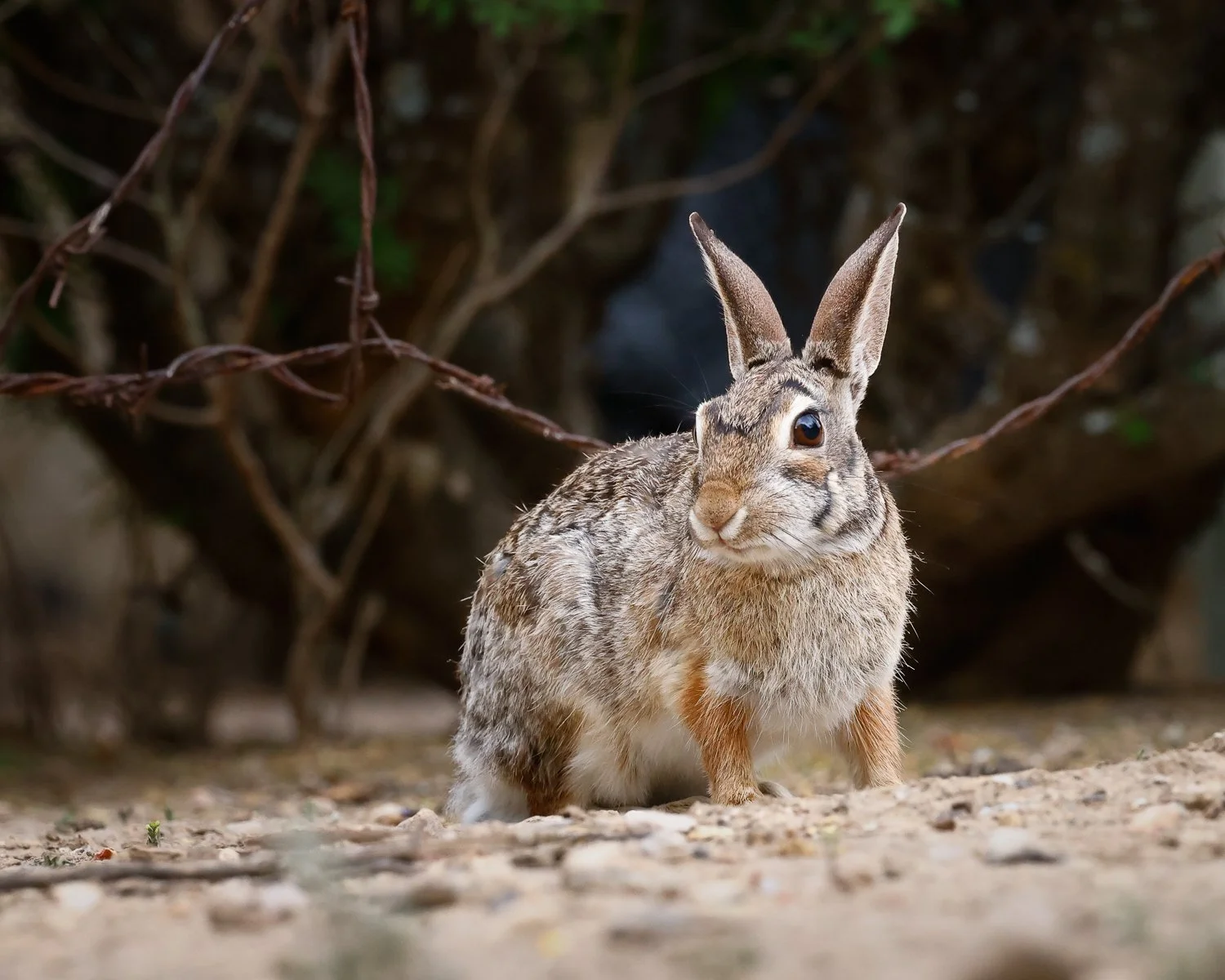
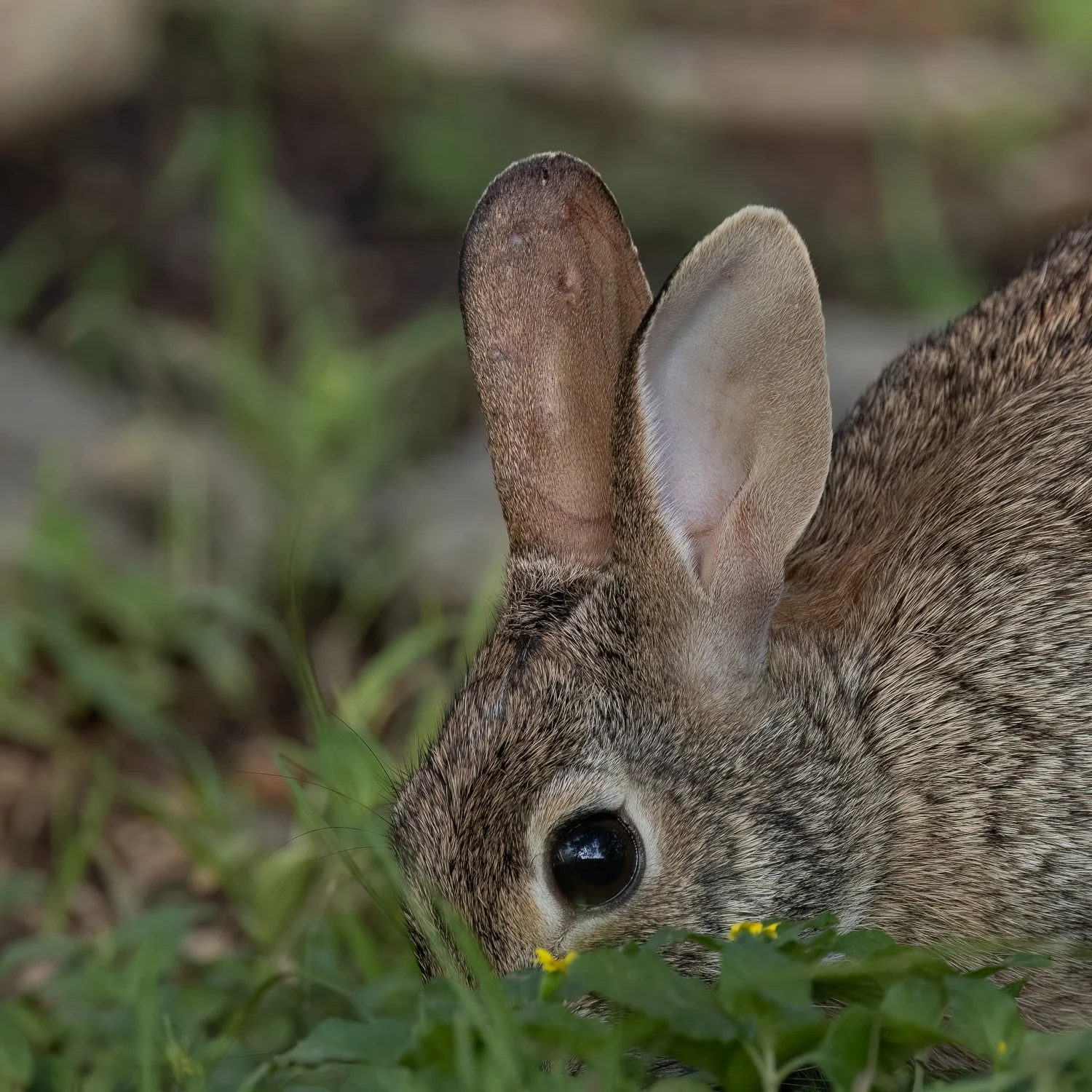
The cottontail rabbit is a charming embodiment of the state's rugged terrain, prized for its subtle, soft beauty and quiet grace. Its dense fur features a beautiful blend of grayish-brown and peppering of black, accented by a stark, fluffy white underside on its tail that looks like a puff of cotton when it darts away. This resilient creature occupies an incredibly wide range, thriving across nearly the entire state from the arid brushlands of West Texas to the suburban lawns and grassy fields of Central and East Texas. Watching a cottontail freeze in the golden hour light, its long, translucent ears glowing pink in the sun, adds a gentle and serene touch to the harsh Texas landscape.
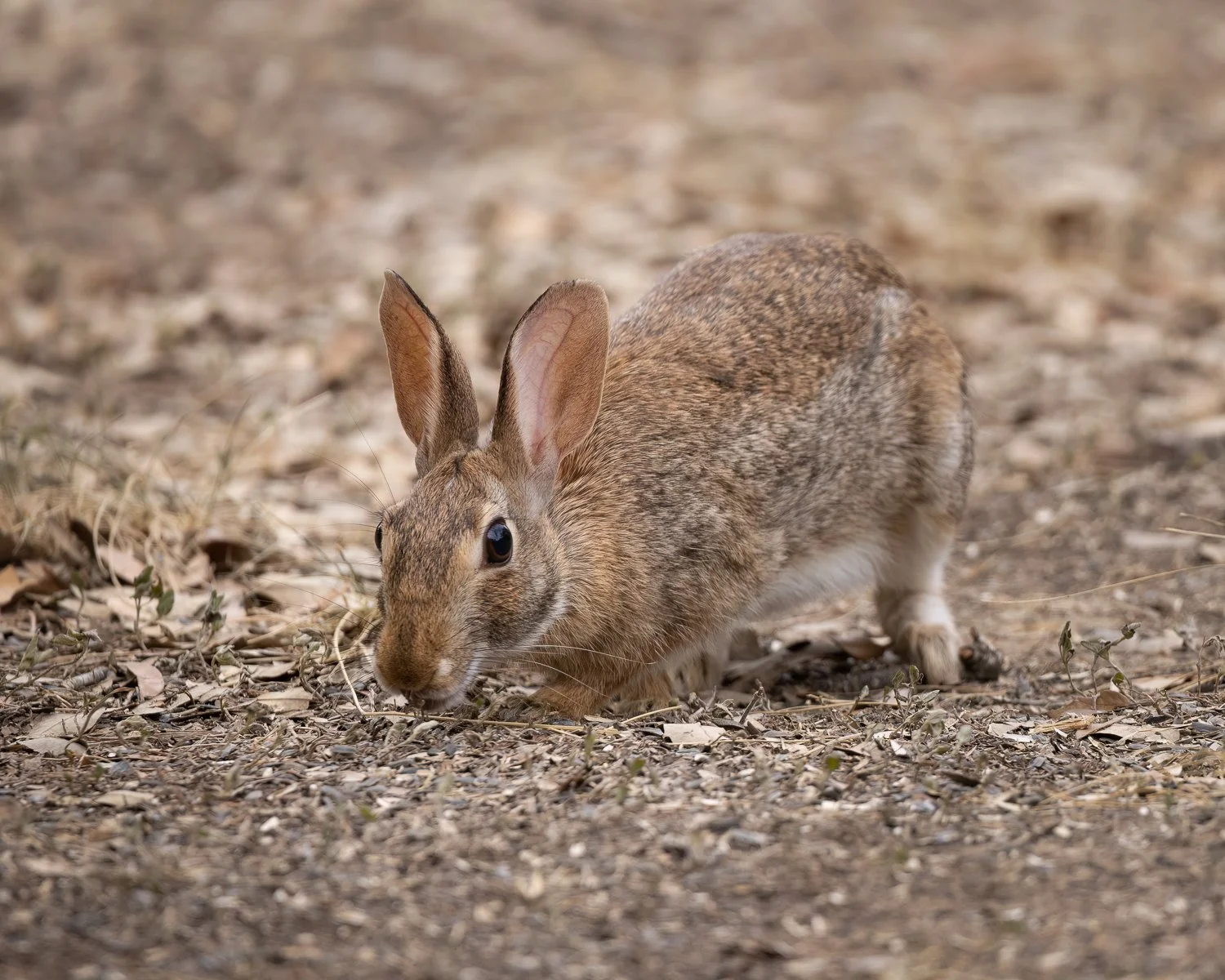
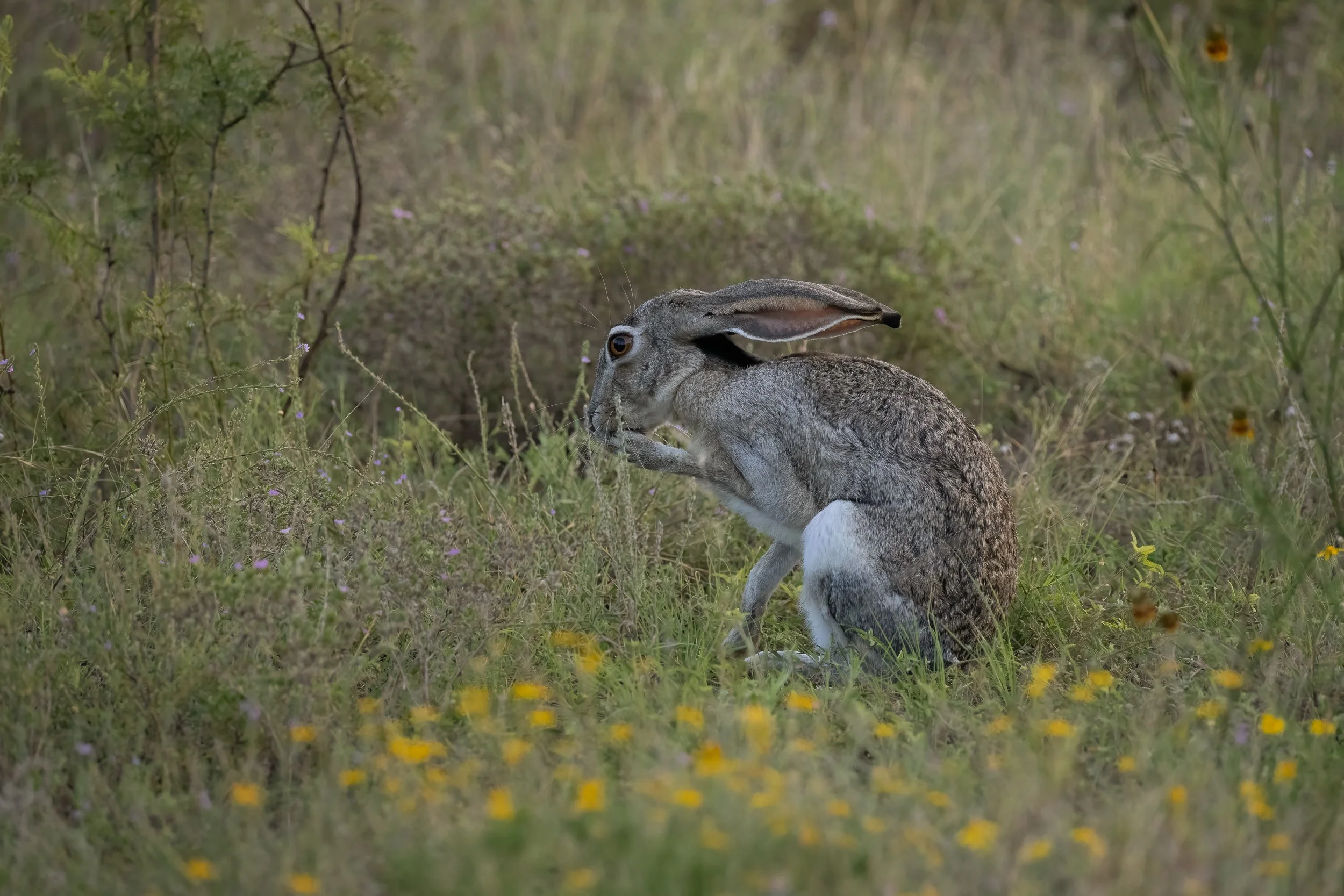
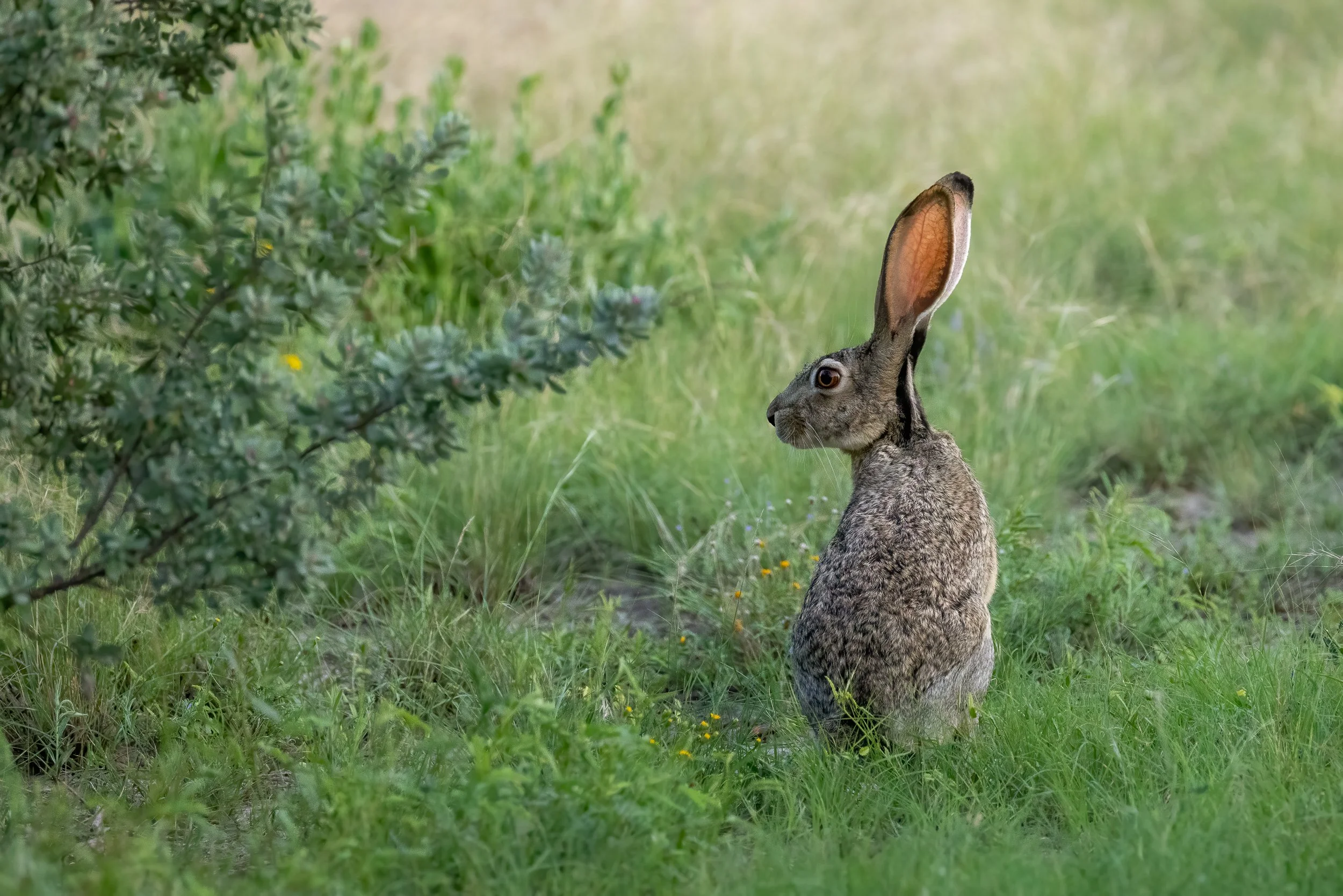
The Black-tailed Jackrabbit is one of North America's largest hares, easily recognized by its exceptionally long, black-tipped ears and powerful hind legs built for high-speed escapes up to 40 miles per hour. Captured amid the rugged limestone terrain and Ashe juniper woodlands of Garner State Park in the Texas Hill Country, this desert-adapted mammal relies on its keen hearing and excellent camouflage to evade predators. Its oversized ears do more than just listen; they are filled with blood vessels that help regulate body temperature in the intense Texas heat. Spotting one of these alert creatures thriving along the park's scenic trails is a testament to the vibrant, resilient wildlife that calls the Frio River canyon home.
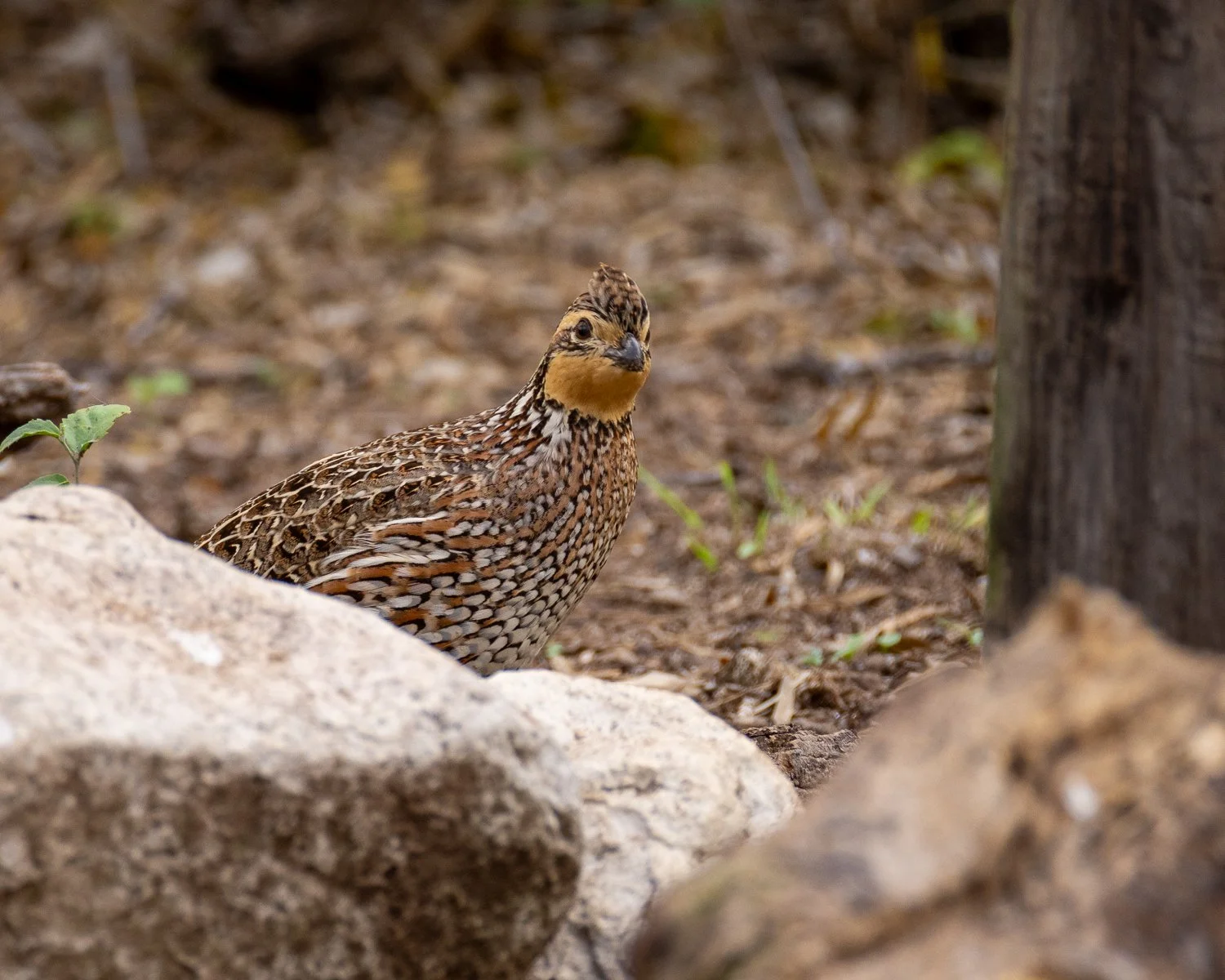
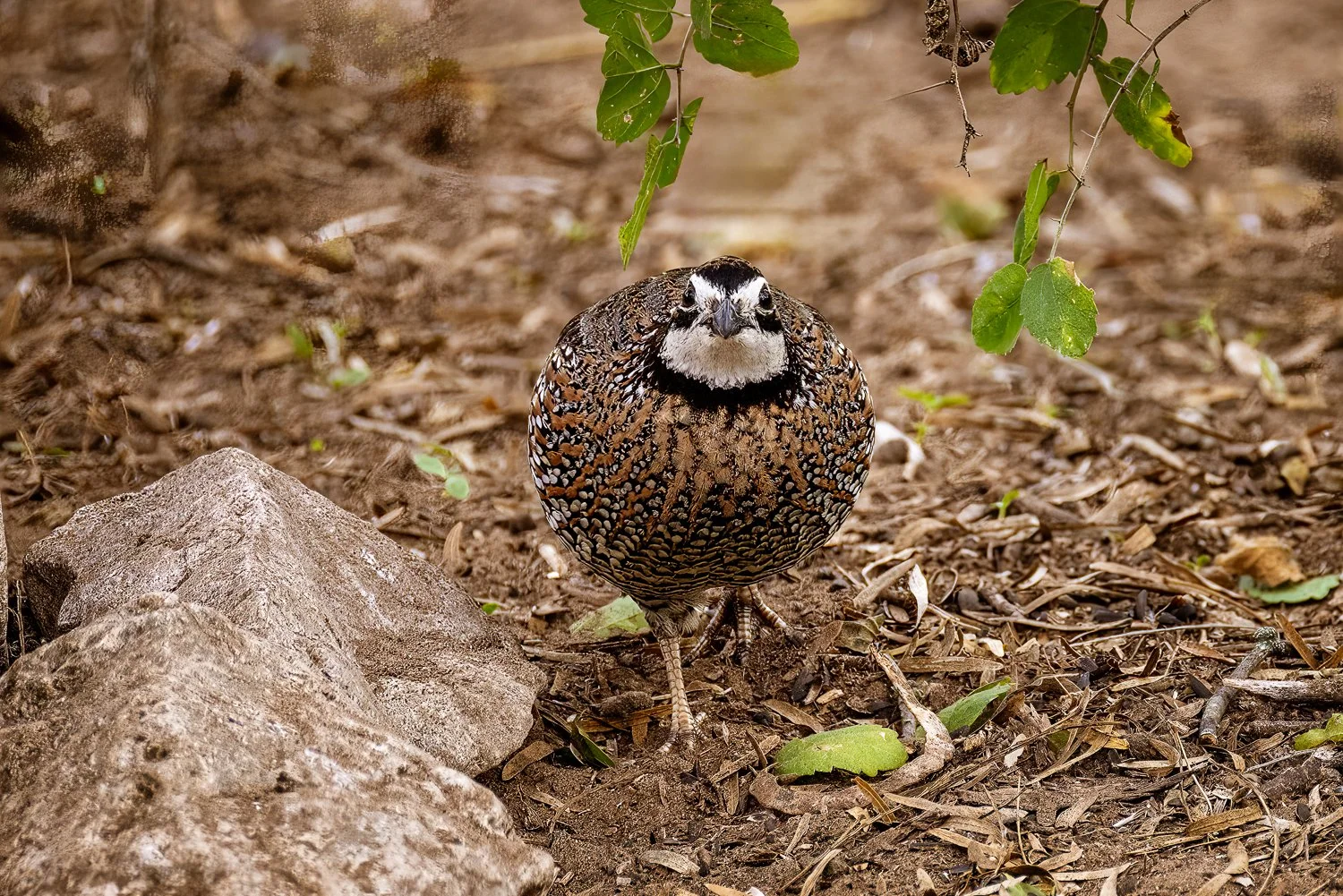
The northern bobwhite quail is a striking and beloved upland game bird, celebrated for its intricate beauty and iconic, whistling call. Its plumage is a masterpiece of natural camouflage, showcasing a rich tapestry of chestnut, gray, and black feathers accented by sharp white and black facial stripes on the males. This resilient bird occupies a wide range across Texas, historically thriving in the rolling plains, the brush country of South Texas, and the native pine savannas of East Texas. Seeing a covey burst into synchronous flight against a Texas sunset reveals the sharp, explosive grace of this iconic species.
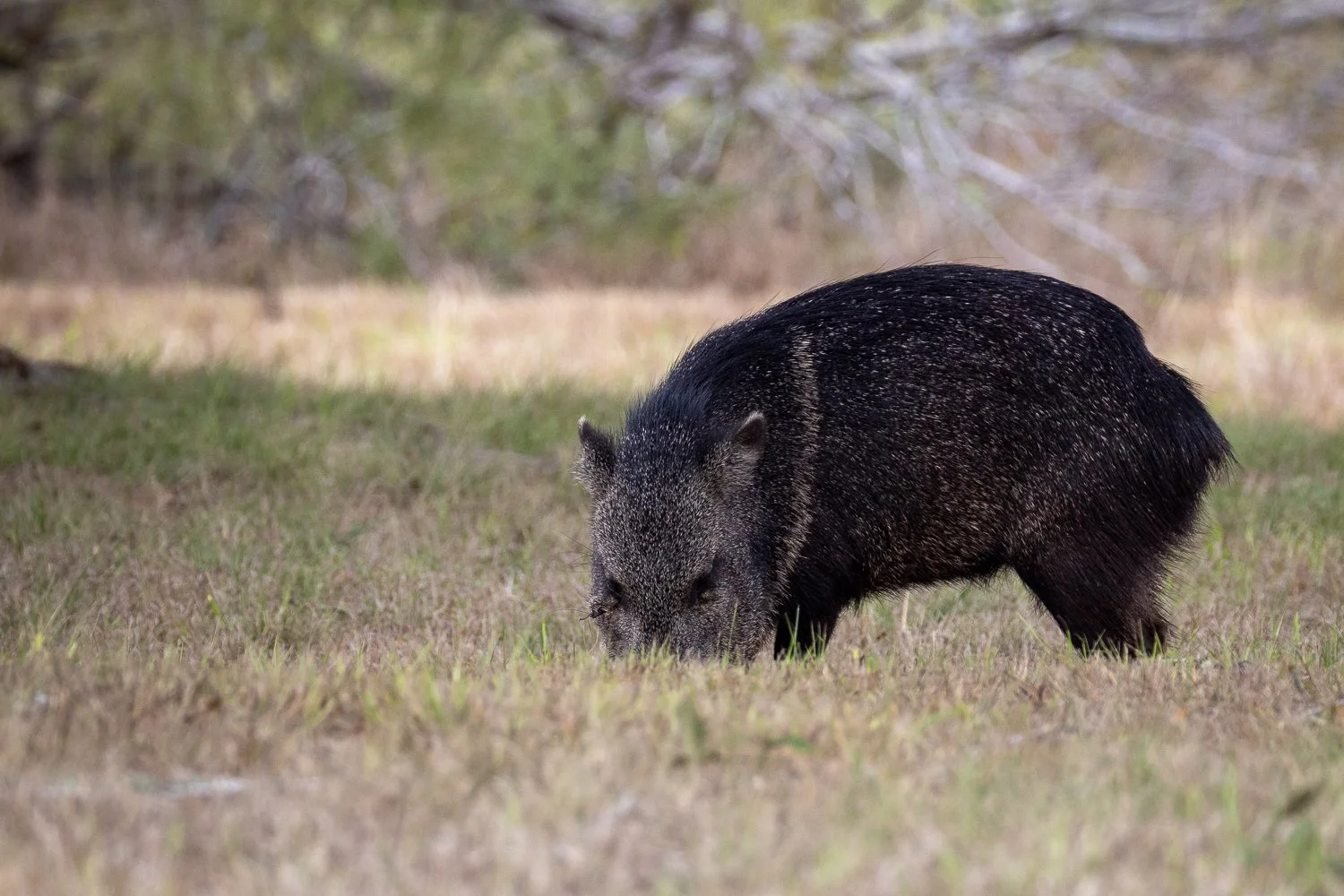
The javelina, or collared peccary, is a unique and captivating fixture of the desert landscape, possessing a rugged, primeval beauty. Its coat is a coarse tapestry of grizzled black and gray bristles, highlighted by a distinct, cream-colored collar of hair that frames its neck like a rugged necklace. This highly adaptable mammal occupies a distinct range in Texas, thriving throughout the arid brush country of South Texas, the rocky terrains of the Trans-Pecos, and parts of the Edwards Plateau. Watching a family herd move cohesively through a dense thicket of prickly pear cactus, their dark forms silhouetted against the dusty desert floor, offers a glimpse into the resilient and untamed spirit of the Texas wild.
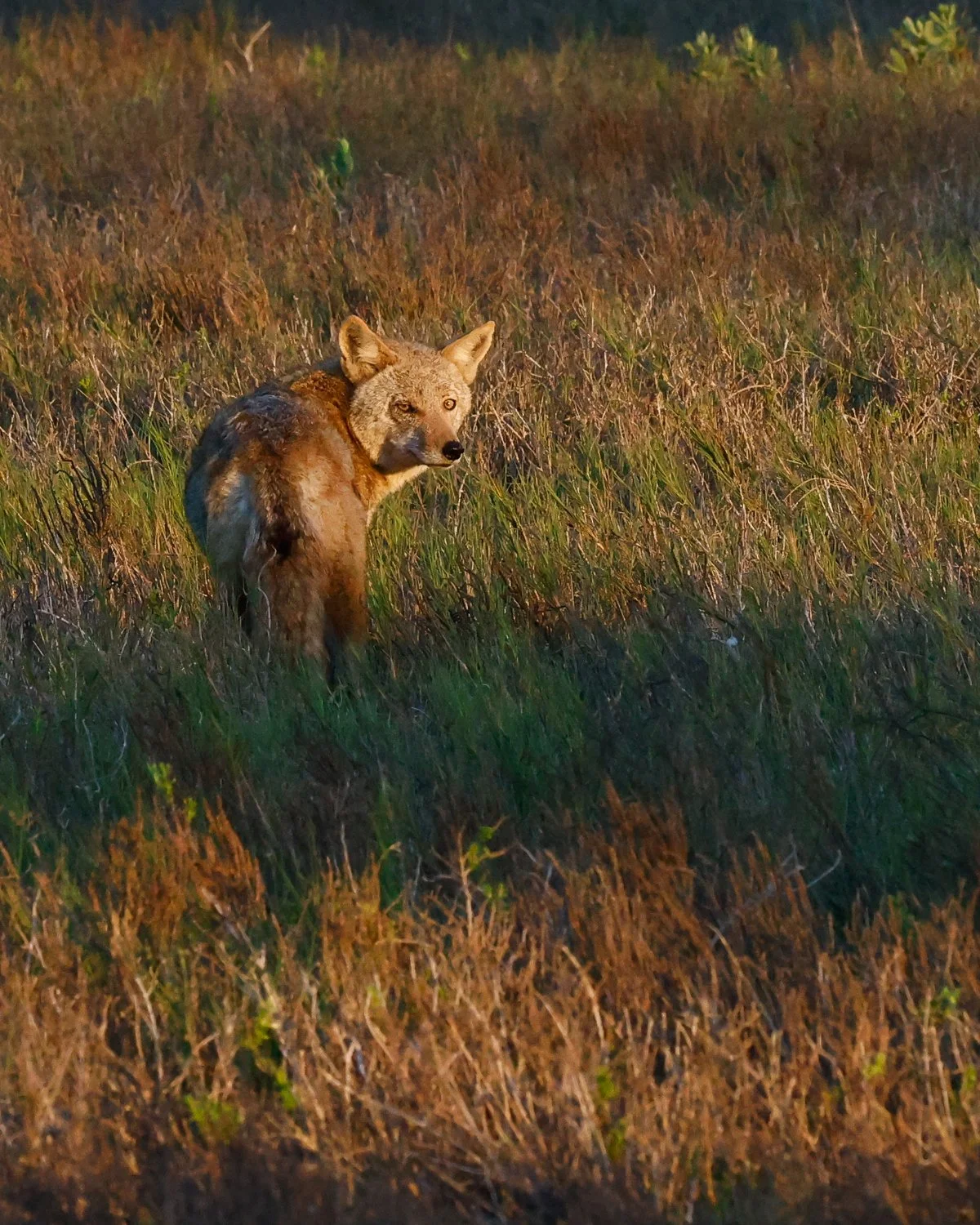
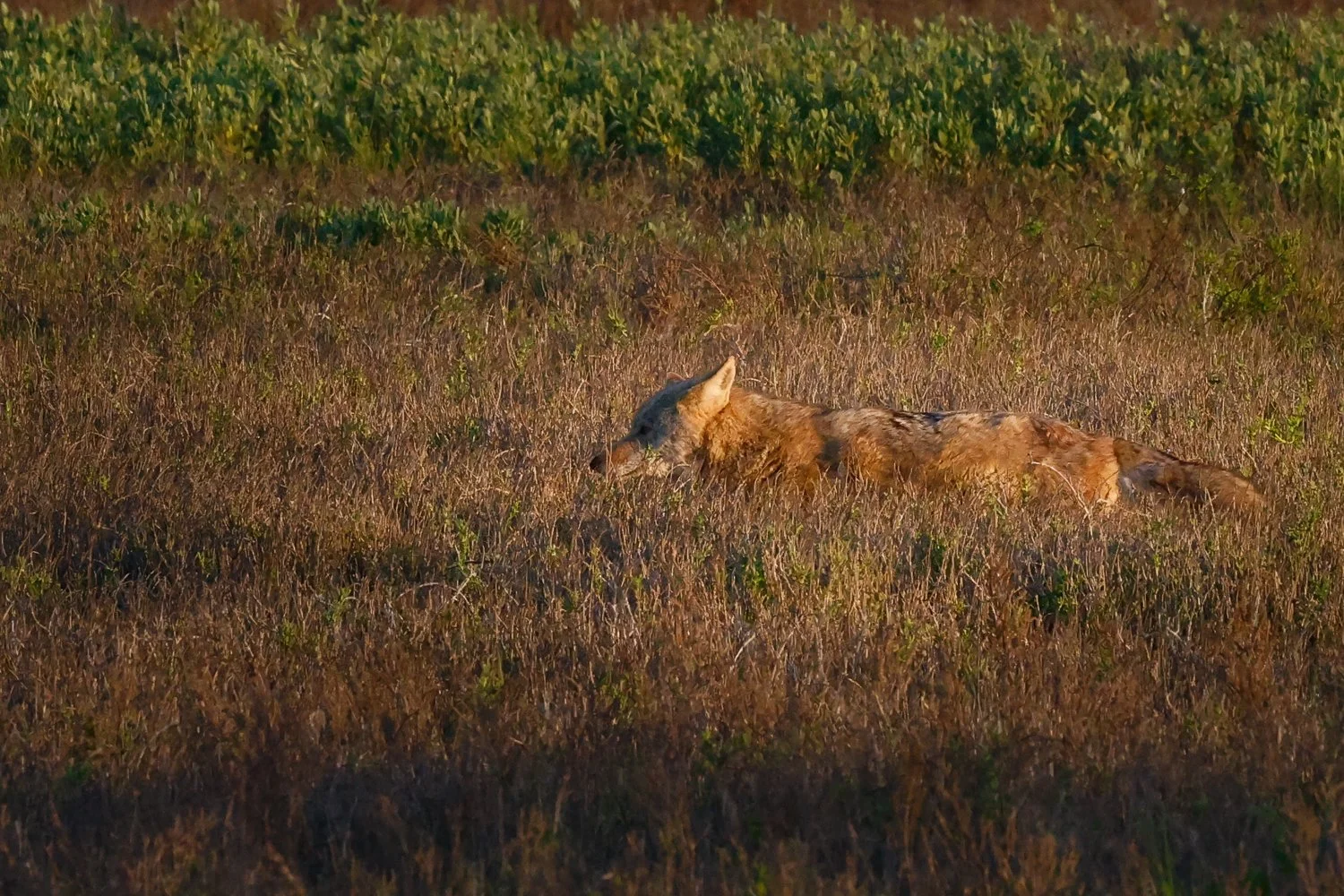
Bathed in the golden glow of early morning, a coyote slips effortlessly through the dew-kissed tall grass, its thick, grizzled coat catching the amber light. Thriving across the diverse, adaptable habitats of South Texas—from brushy mesquite flats and the windswept dunes of the Gulf coast to the edge of sprawling suburban landscapes—this cunning survivor blends perfectly into the waking wilderness. Down where the sand meets the sea, it patrols the salt marshes with quiet precision, hunting for crabs and small rodents hidden in the cordgrass, or slips along the shoreline to scavenge what the midnight tide left behind.
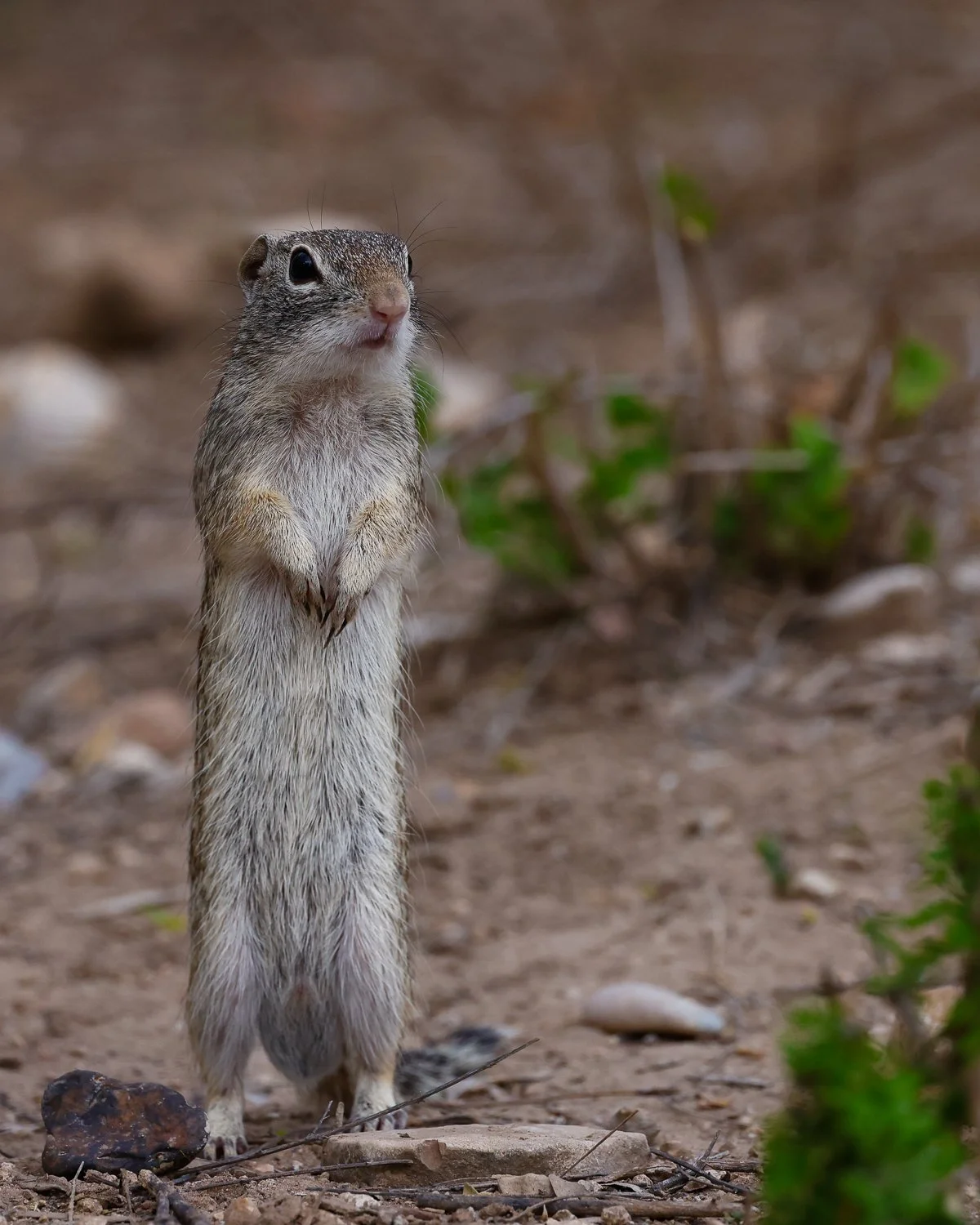
The Mexican ground squirrel is a small, diurnal rodent easily recognized by the nine distinctive rows of white spots decorating its tawny brown back. Native to the brushy grasslands, flat prairies, and sandy soils of Mexico and the southwestern United States, these resilient animals construct complex underground burrows to safely raise their young and escape predators. As highly adaptable omnivores, they forage during the day for a varied diet of seeds, insects, and vegetation, and they have successfully integrated into human-modified spaces like golf courses, parks, and roadsides.