Texas State Parks
My connection to Texas State Parks is a lifelong love story rooted in endless wonder and discovery. From the sun-drenched canyons of the west to the whispering pine forests of the east, these protected lands hold the diverse soul of the Lone Star State. Every visit reveals a new layer of natural majesty, where rugged landscapes meet dramatic skies to create moments of pure awe. Walking these grounds brings a profound sense of peace and a reminder of the timeless beauty that exists right in our backyard.
As I traverse these parks, I often find my mind drifting back to the Indigenous peoples who first roamed, respected, and thrived upon these very lands. In south-central Texas, groups like the Coahuiltecans (including local bands like the Payaya), the Tonkawa, and later the Lipan Apache and Comanche, treated this rugged terrain as both a home and a sanctuary. I often reflect on how deeply they must have enjoyed the rhythm of this wilderness. They tracked game through the cedar breaks, gathered native pecans along the riverbanks, and found shelter beneath the limestone cliffs. For centuries, their lives were intrinsically linked to the same natural gifts we admire today, leaving behind a spiritual legacy that echoes through the trees and canyons.
As you explore this site, you will see how these parks serve as my ultimate playground and sanctuary. They offer endless photo opportunities to capture light spilling over ancient rock formations and pristine waters. Adventure is always within reach, whether I am conquering challenging hiking and biking trails or setting up camp for a night of stargazing, each park provides a unique canvas for creating lasting memories.
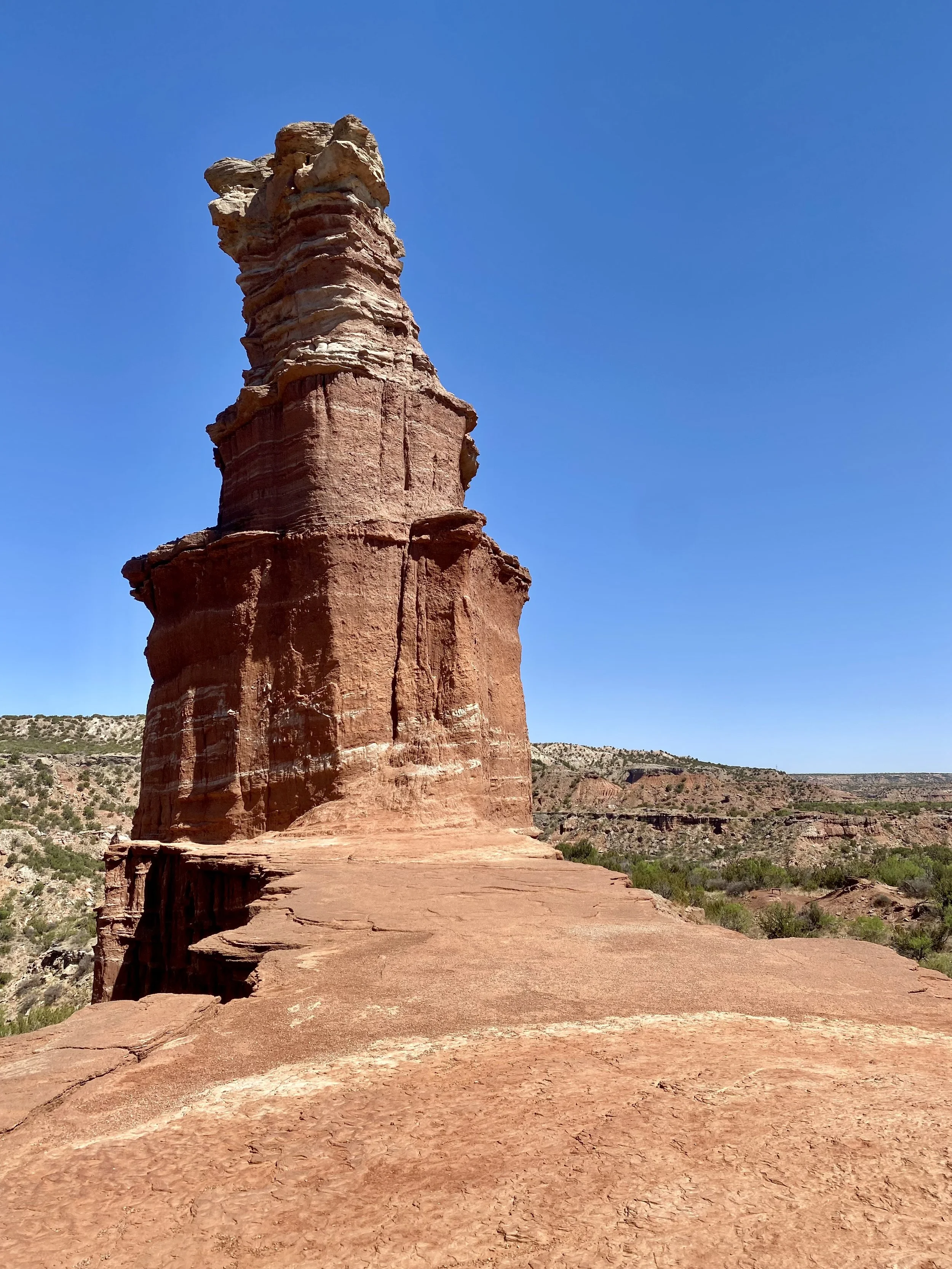
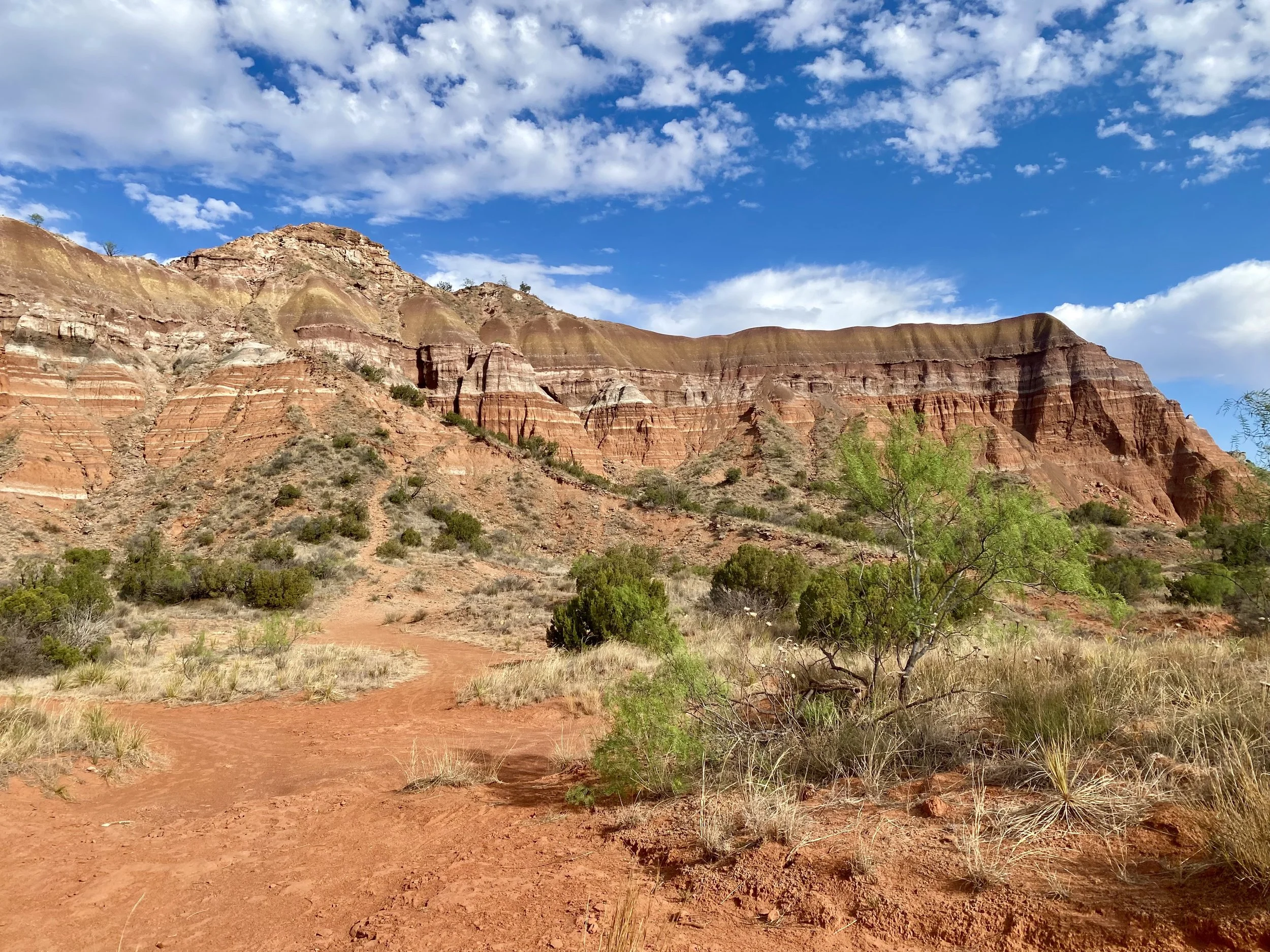
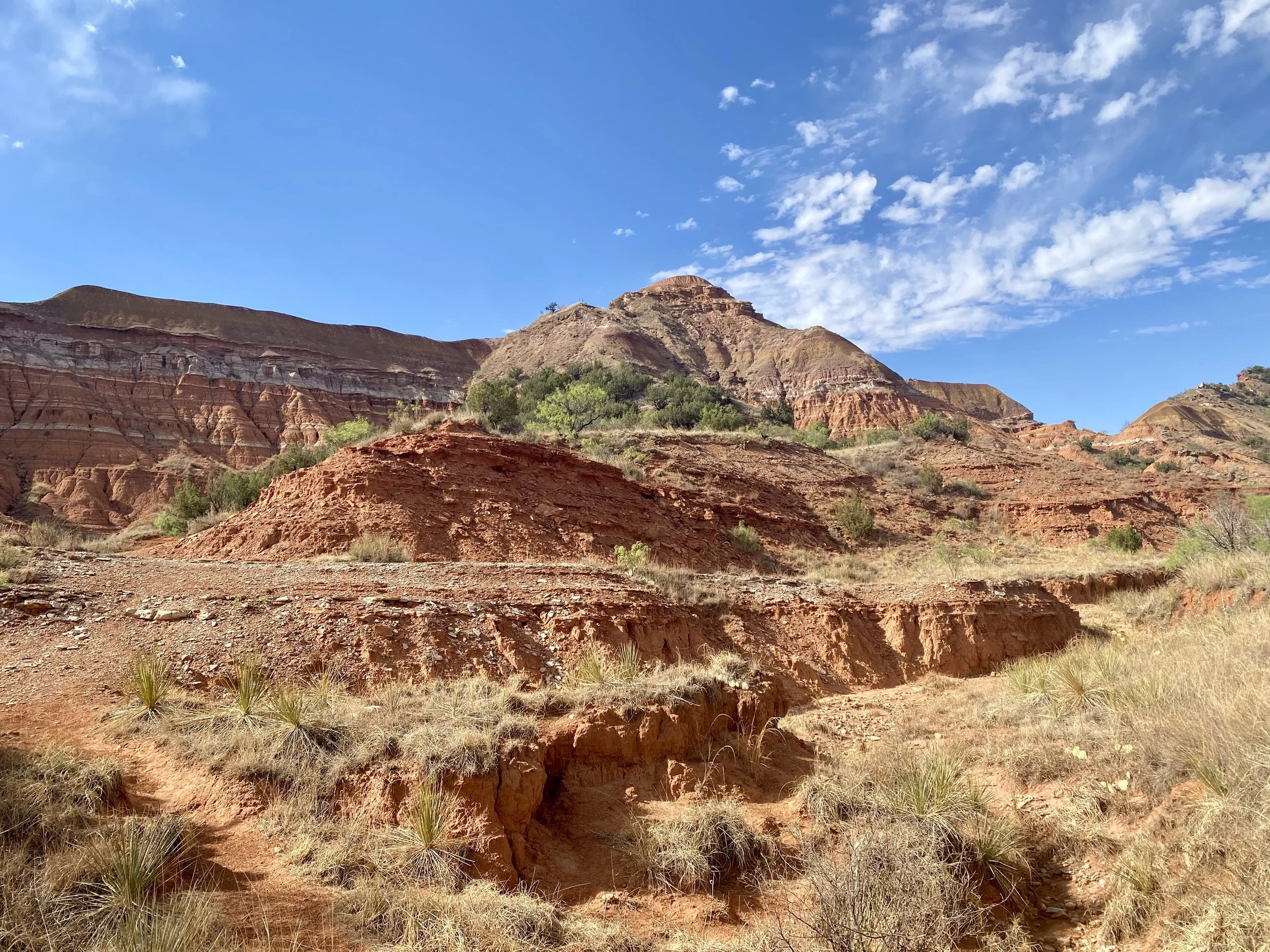
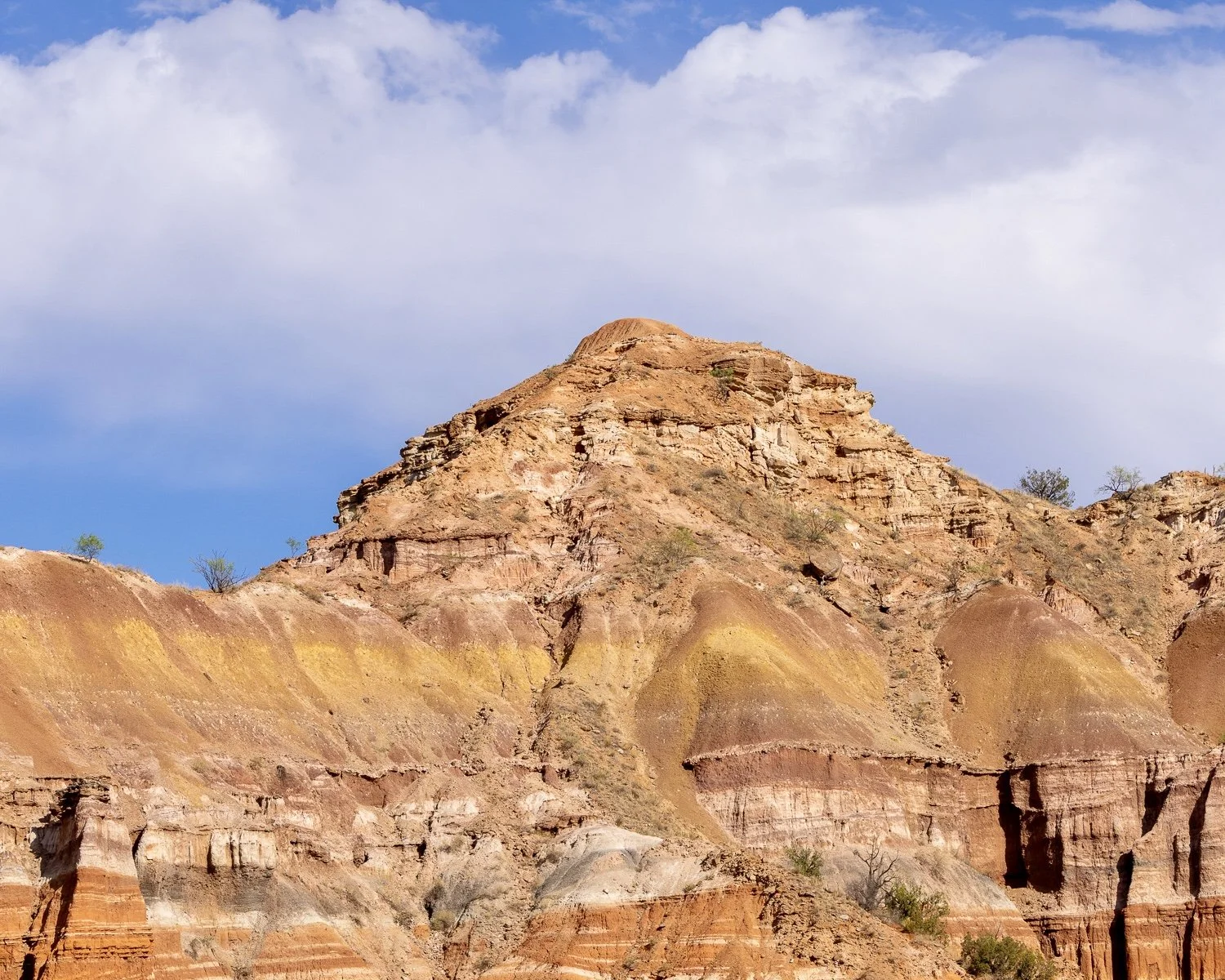
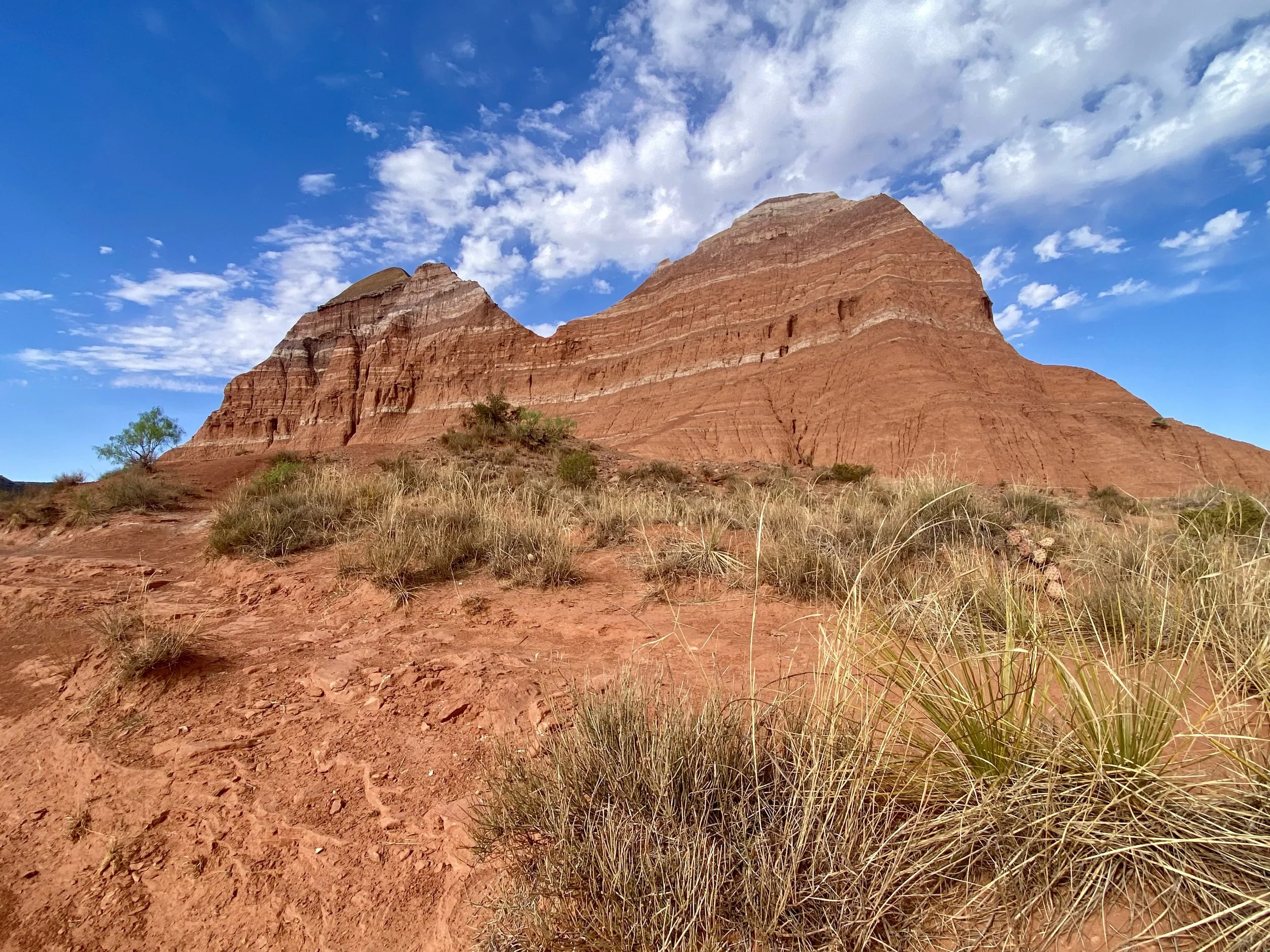
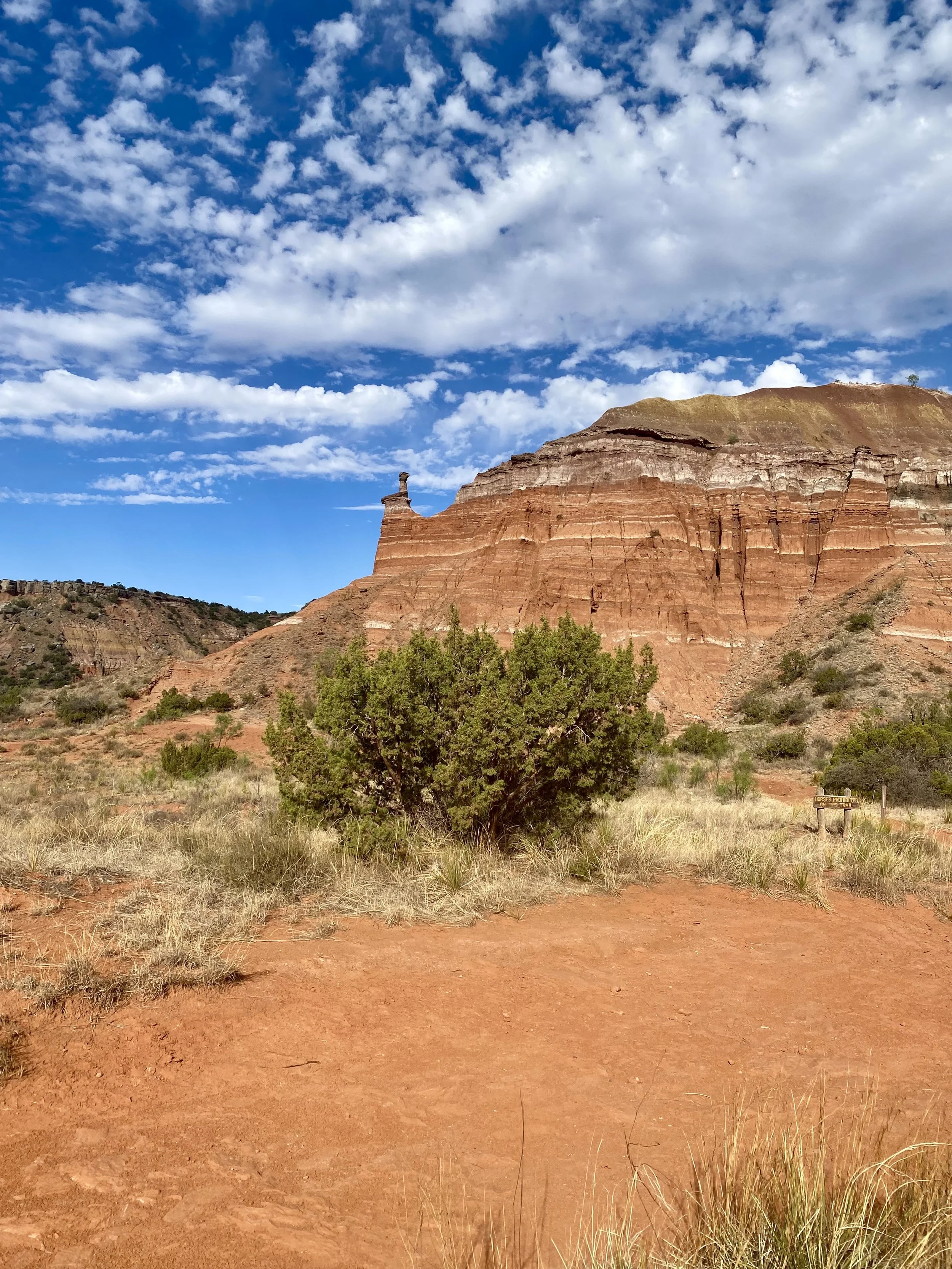
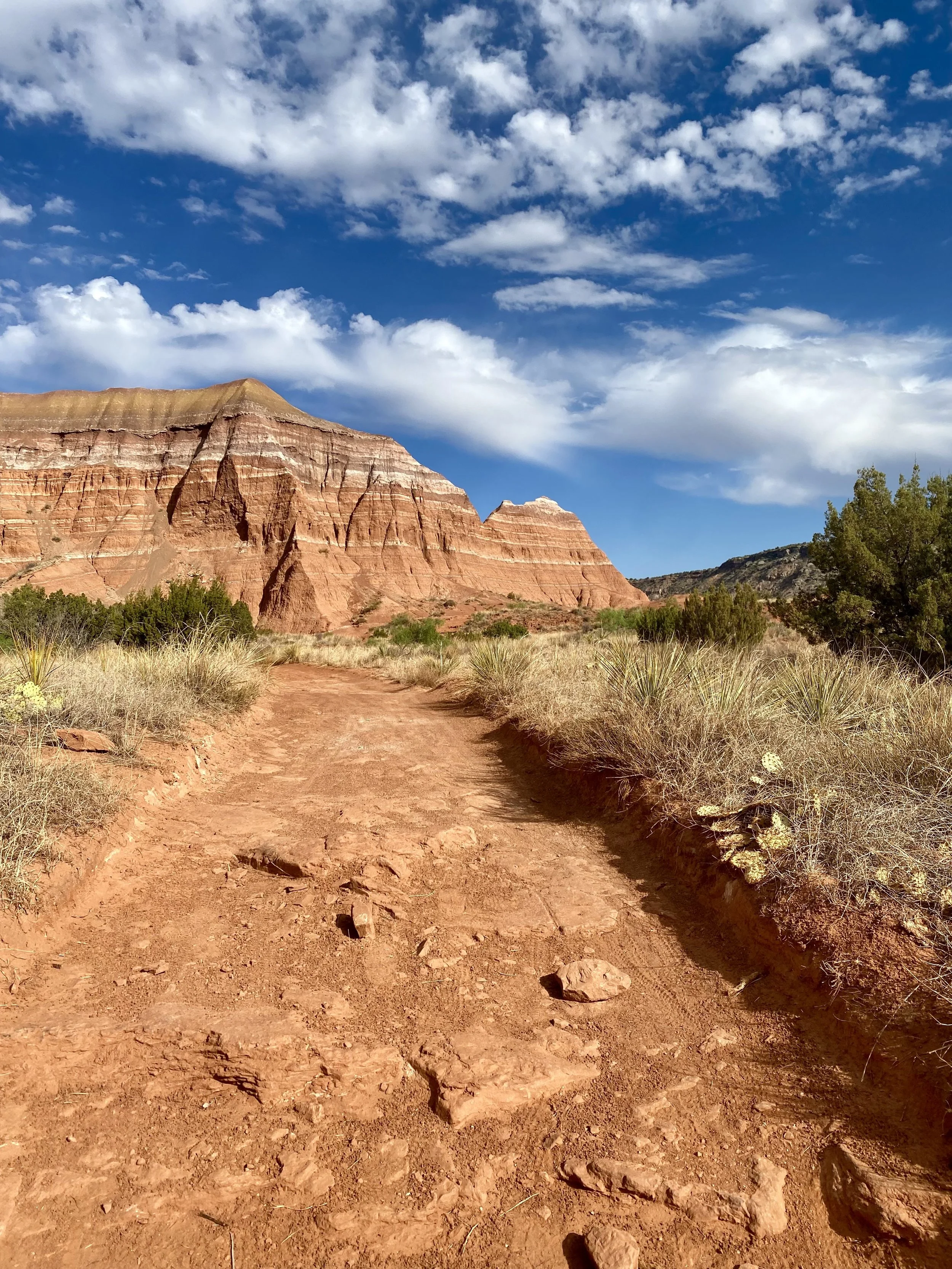
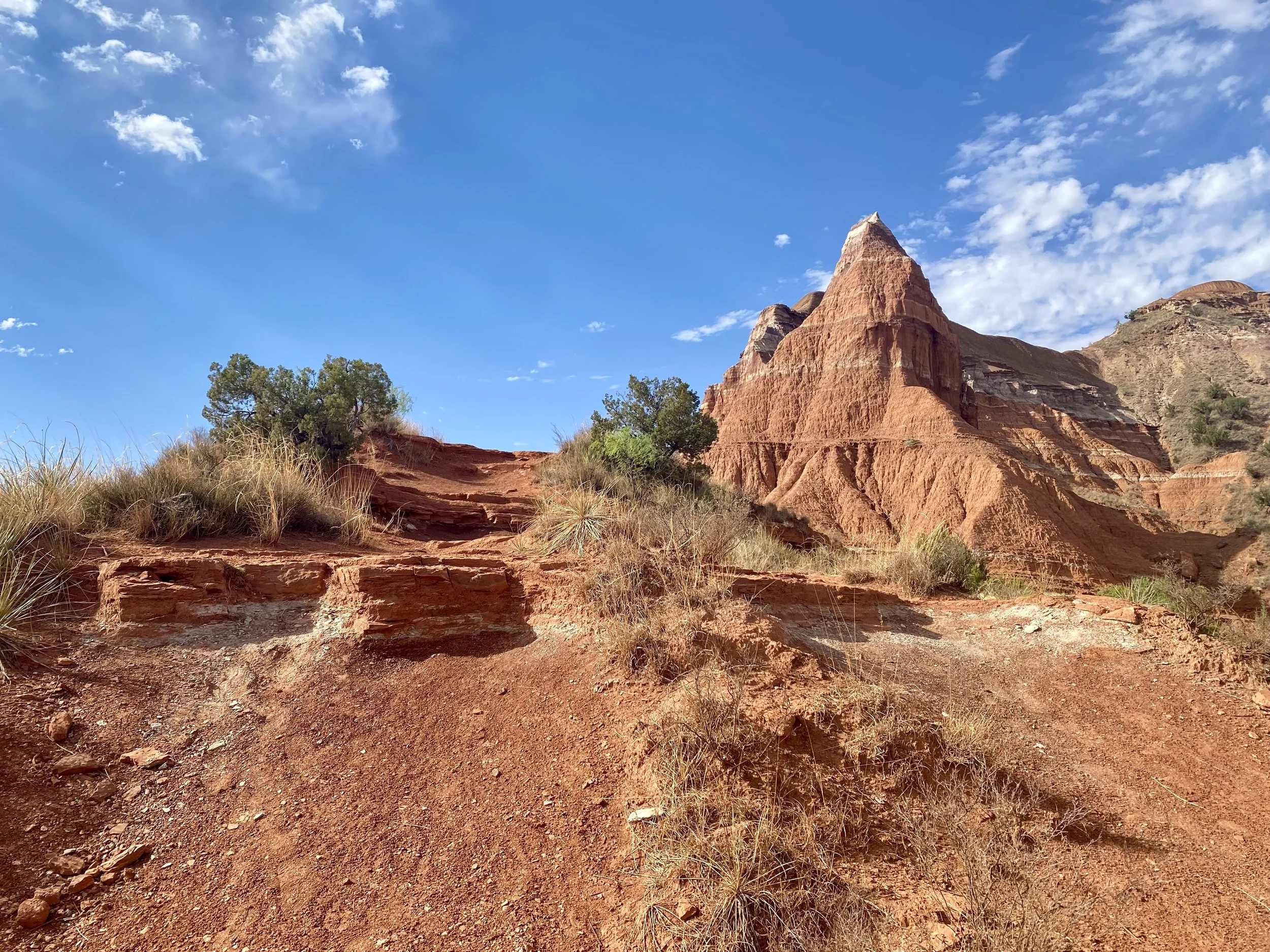
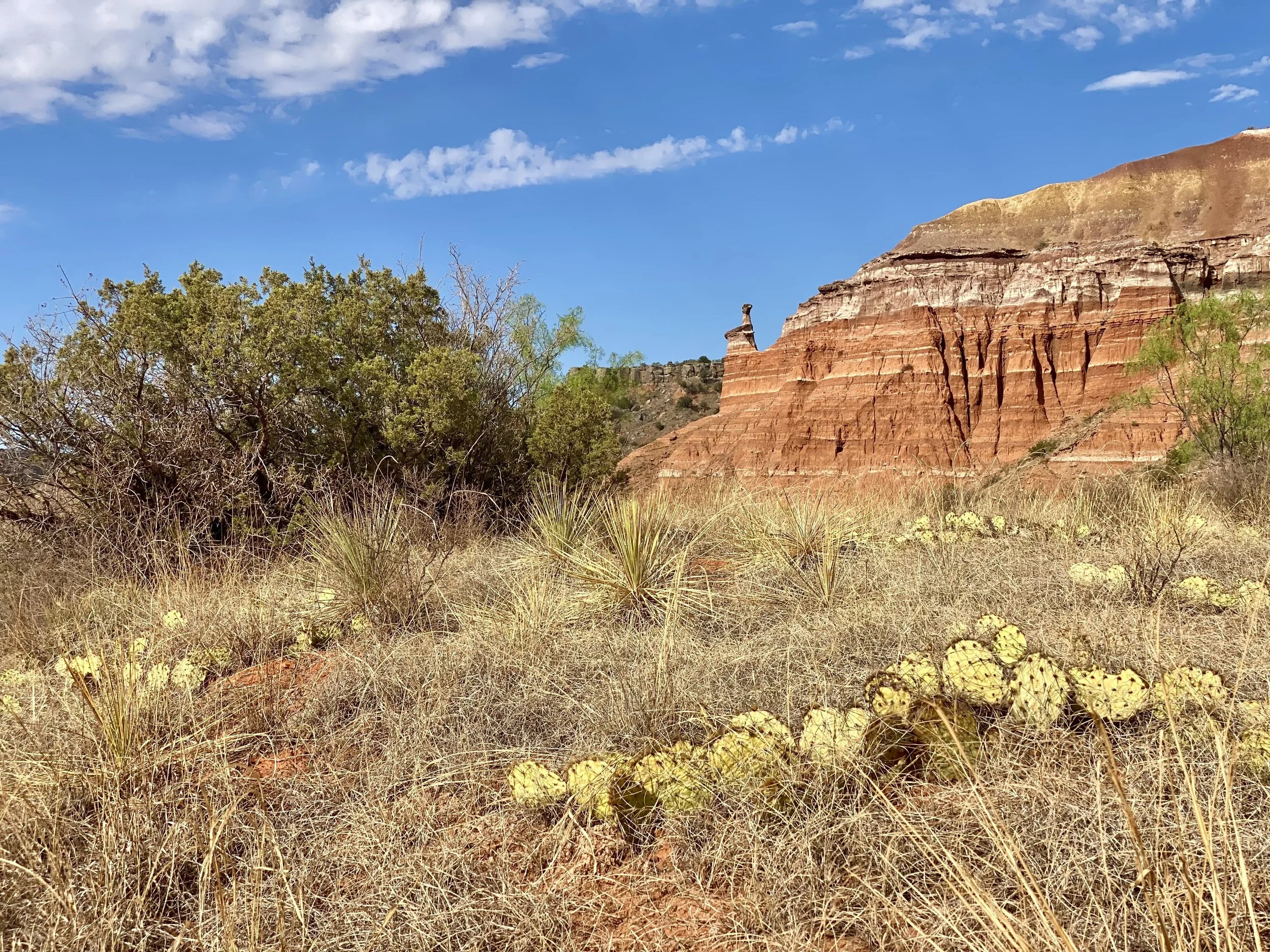
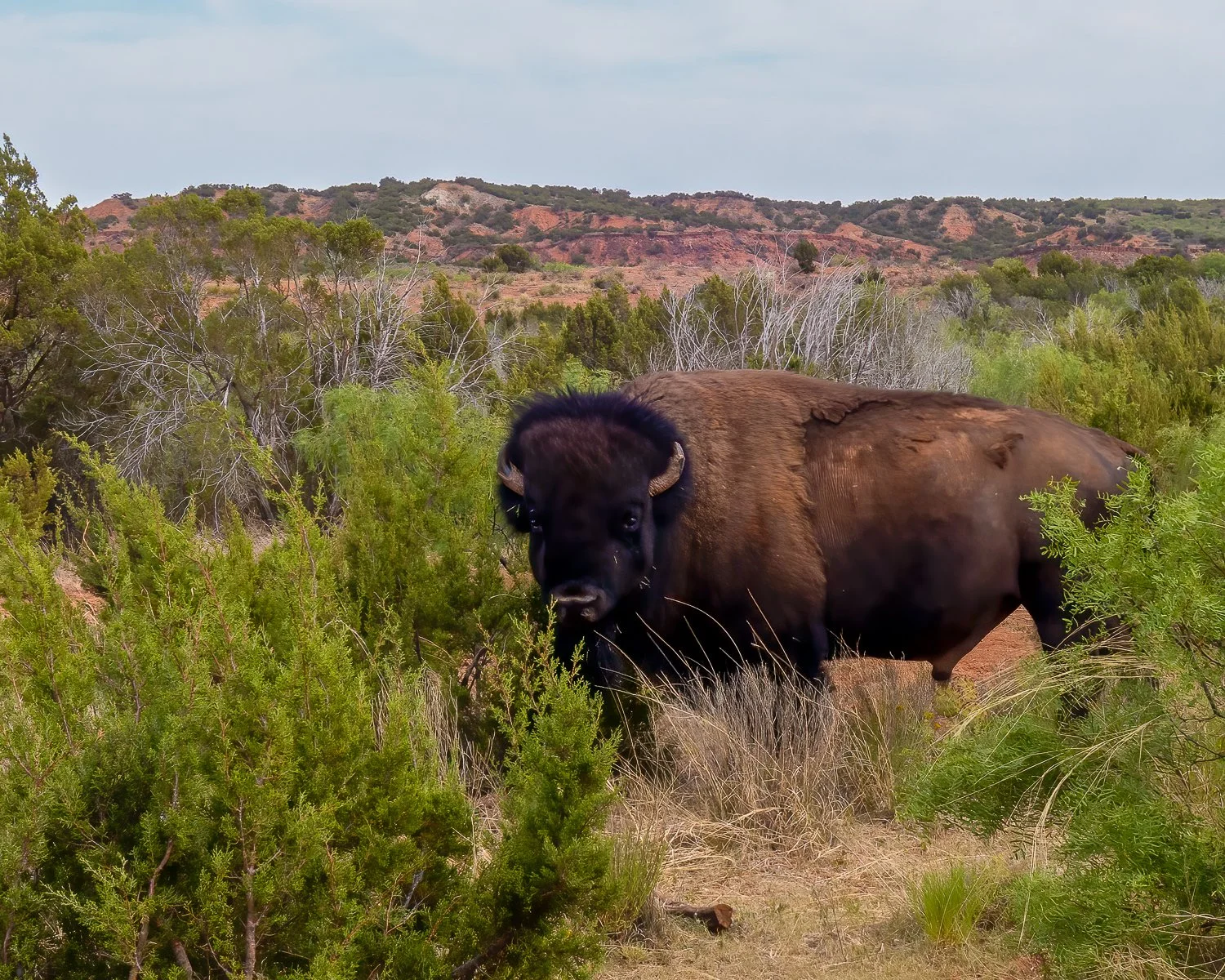
Palo Duro Canyon, known as the "Grand Canyon of Texas," exposes over 250 million years of geologic history through its ruggedly beautiful, multi-colored cliff faces. The canyon’s dramatic landscape began forming during the Permian and Triassic periods, as ancient rivers and retreating seas deposited thick layers of red clay, sandstone, and white gypsum. Millions of years later, the uplifting of the Ogallala Aquifer capped the region with a protective layer of tough caliche. The true masterpiece of this landscape was sculpted over the last one million years by the Prairie Dog Town Fork of the Red River, which relentlessly carved through the high plains of the Llano Estacado. This intense water erosion created a breathtaking, vibrant chasm defined by steep, jagged precipices, sweeping vistas, and iconic, gravity-defying hoodoos like the "Lighthouse." Today, the canyon stands as a stunning testament to the power of water, displaying a brilliant tapestry of deep Spanish skirts, rust-red clays, and bright yellow soils that contrast sharply against the rugged, wild Texas sky.
Palo Duro Canyon’s geological narrative is written in four distinct rock formations exposed along its steep walls. At the absolute bottom lies the 250-million-year-old Quartermaster Formation, an orange-red siltstone streaked with white satin spar gypsum veins left by ancient tidal flats. Directly above it sits the softer, multicolored Tecovas Formation, displaying distinctive lavender, yellow, and gray-green bands that serve as a rich graveyard for Triassic phytosaurs and primitive amphibians. Marking the middle of the canyon are the massive, tan sandstone cliffs of the Trujillo Formation, which represents a massive prehistoric river system filled with river cross-bedding and mineralized logs. Capping the entire canyon at the rim is the light-colored Ogallala Formation, a mix of sand and gravel cemented by white caliche that has preserved the fossils of prehistoric mammals like saber-toothed cats and mastodons.
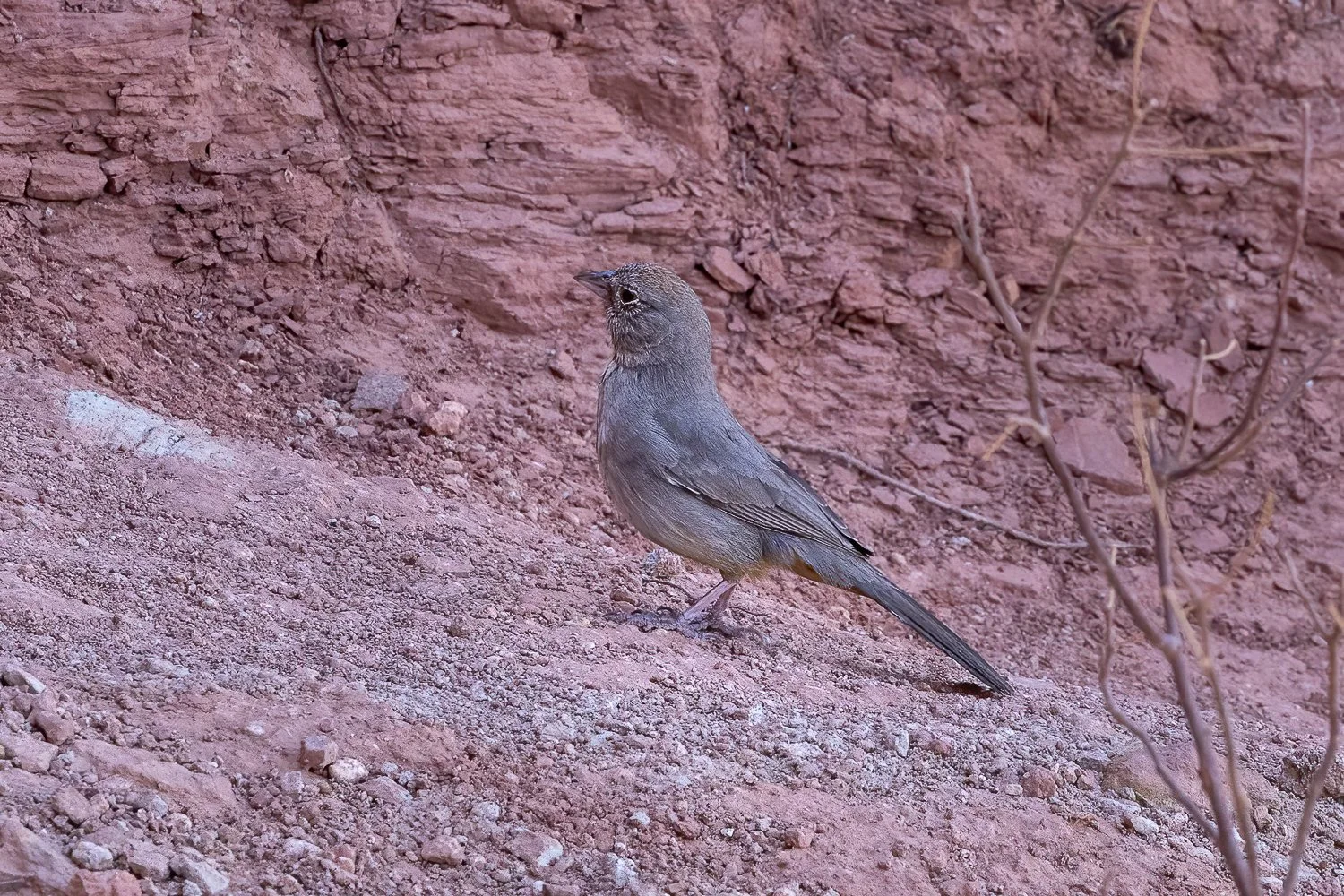
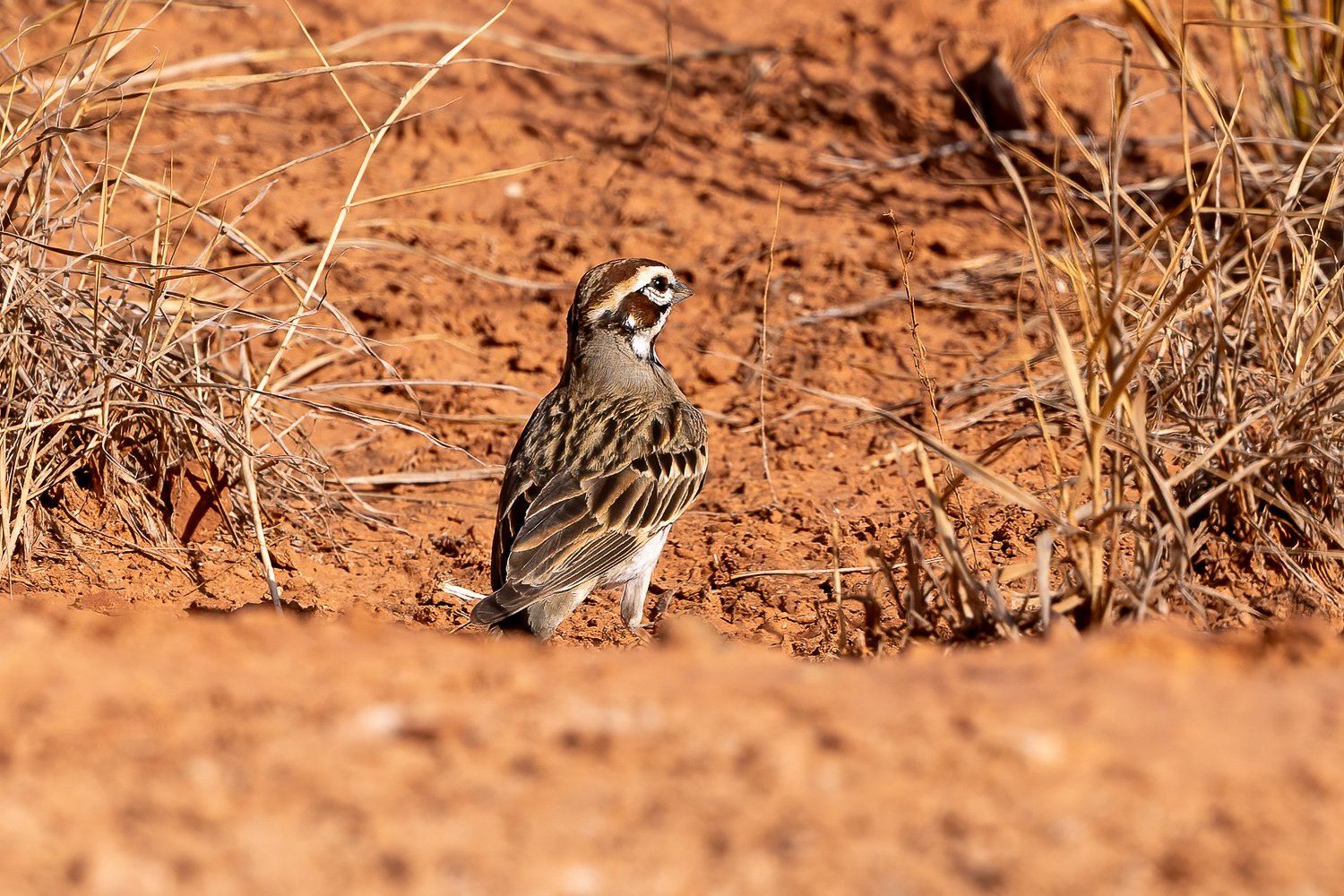
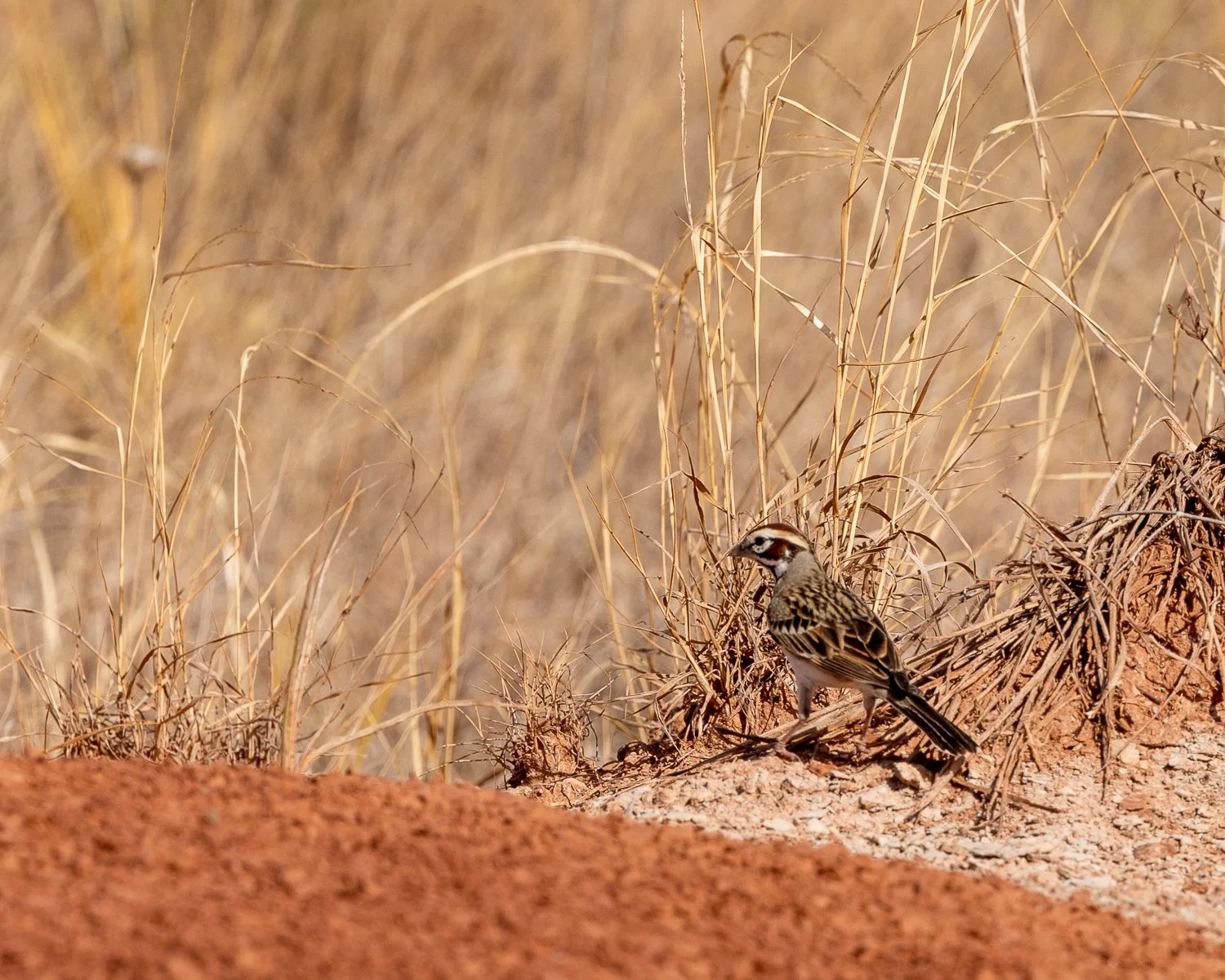
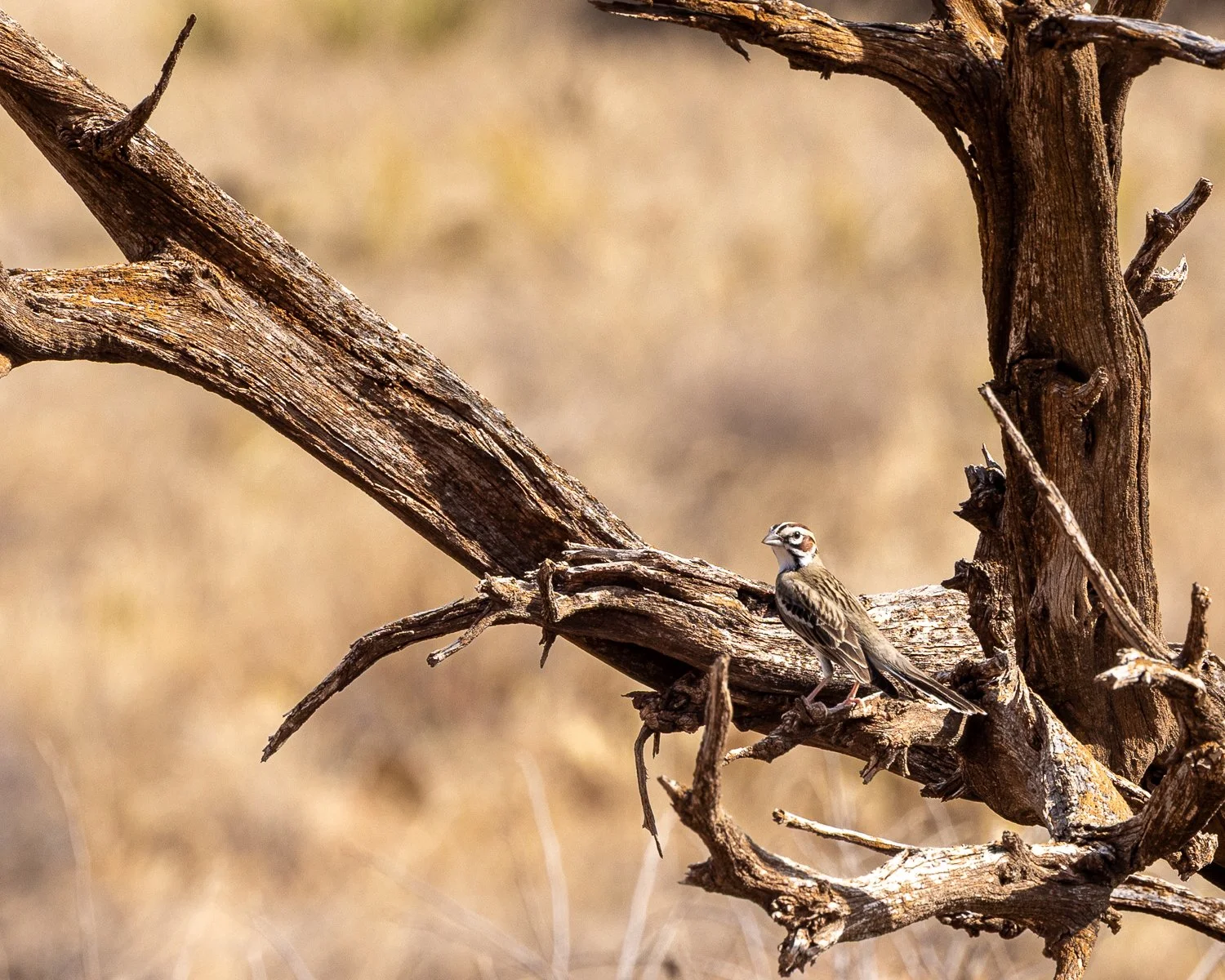
The canyon’s diverse microhabitats, spanning from arid rims to lush river bottoms, support a rich array of desert and riparian wildlife. On the rugged cliffs, visitors can spot nimble Barbary sheep and mule deer, while coyotes, porcupines, and Texas horned lizards roam the canyon floor. The park is a haven for birdwatchers, where the cascading song of the resident Canyon Wren echoes off the rock walls, alongside sightings of Greater Roadrunners, Wild Turkeys, and Golden-fronted Woodpeckers. During the summer, the canyon fills with vibrant seasonal migrants, including the brilliantly colored Painted Bunting, Bullock's Oriole, and soaring Mississippi Kites, which are easily observed from the park's dedicated bird blinds.
Palo Duro Canyon State Park